DIY Hydroponic Vegetable Gardening: A Step-by-Step Guide to Sustainable Living
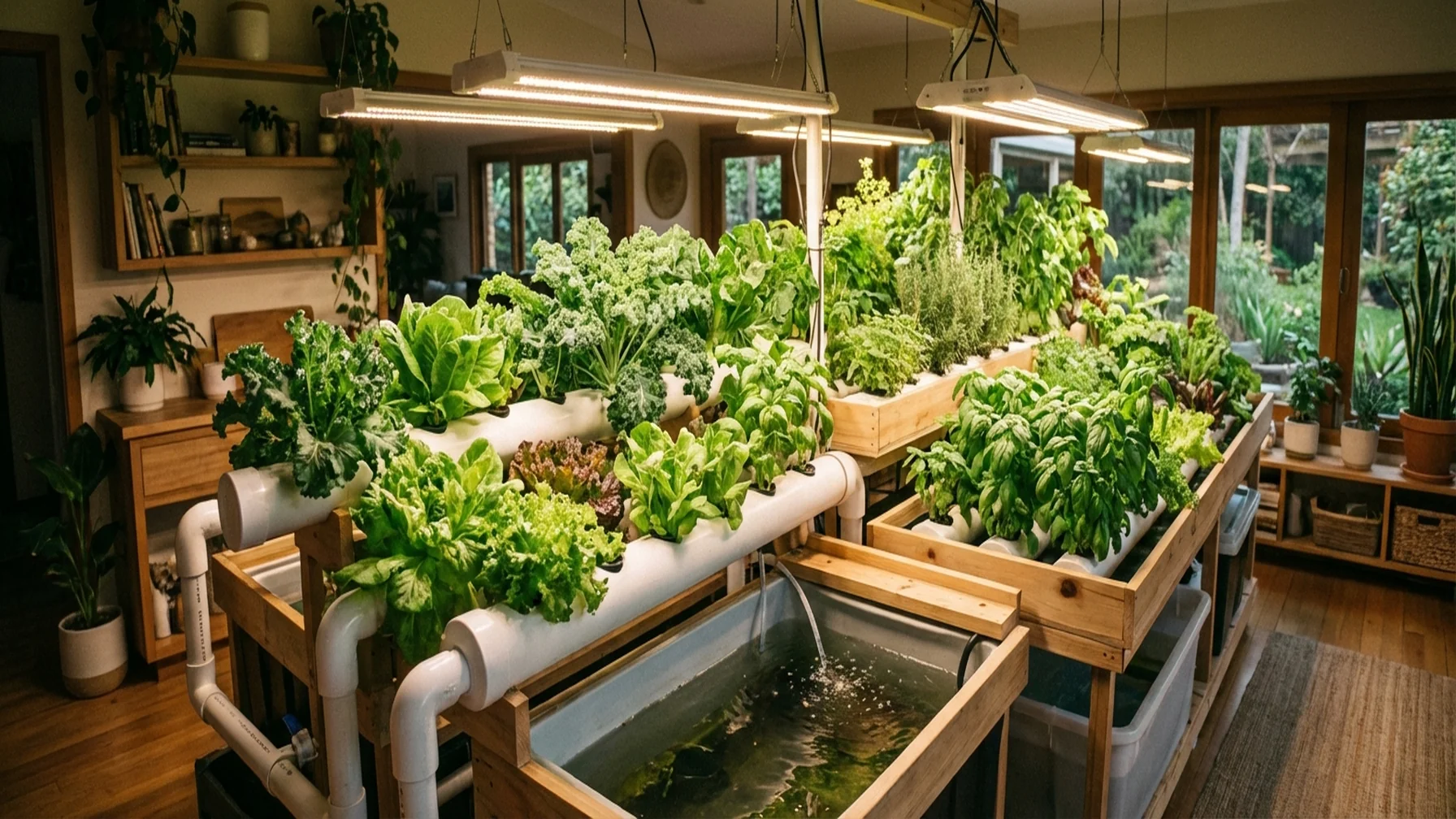
Embracing the practice of DIY hydroponic vegetable gardening is a fantastic way to grow your own food at home sustainably. This method is not only space-efficient but can also be tailored to fit urban environments, making it accessible even for those with limited garden space. Whether you're new to organic gardening or looking to enhance your sustainable living practices, this guide will walk you through the essentials of hydroponic vegetable gardening.
Understanding Hydroponics: The Basics
Hydroponics is a method of growing plants without soil, using nutrient-rich water instead. This system allows for precise control over the growing environment, leading to faster plant growth and potentially higher yields. It's an ideal solution for urban permaculture design, where space and resources are often limited.
This table provides an overview of essential components and their roles in DIY hydroponic vegetable gardening. Understanding these elements can help you create a successful hydroponic system.
| Component | Description |
|---|---|
| Growing Medium | Substitutes soil, supports plants and retains moisture; options include rock wool, clay pellets, and coconut coir. |
| Water and Nutrient Solution | Provides essential nutrients for plant growth; must be balanced and pH monitored regularly. |
| Pumps and Tubing | Circulate water and nutrients throughout the system for efficient delivery to plants. |
| Light Source | Essential for photosynthesis; can be natural sunlight or artificial grow lights depending on location. |
| pH Monitor | Ensures that the pH level of the water is optimal for nutrient absorption by plants. |
By familiarizing yourself with these components, you will be better equipped to design and maintain an effective hydroponic vegetable garden. Each element plays a critical role in ensuring that your plants thrive without the use of traditional soil gardening methods.
Starting your DIY hydroponic vegetable garden can be an exciting journey into sustainable gardening. Here are the essential steps to help you get started on growing your own fresh vegetables without soil.
- Choose a suitable hydroponic system (e.g., deep water culture, nutrient film technique, or aeroponics).
- Gather necessary materials such as a container, grow lights, net pots, and hydroponic nutrient solutions.
- Select the vegetables you want to grow, ensuring they are compatible with your chosen system.
- Set up your hydroponic system and ensure proper pH and nutrient levels in the water.
- Plant your seeds or seedlings in the net pots and place them in the system.
- Monitor the plants regularly, adjusting nutrients and water levels as needed.
- Harvest your vegetables when they reach maturity, enjoying the fruits of your labor!
By following these steps, you can successfully create and maintain a DIY hydroponic vegetable garden that yields fresh produce year-round, all while enjoying the innovative process of soilless gardening.
Setting Up Your Hydroponic System
To start your hydroponic garden, you'll need a few key components:
- Container: A reservoir to hold the nutrient solution.
- Growing Medium: Materials like coconut coir or perlite to support the plants.
- Nutrient Solution: A balanced mix of water and nutrients essential for plant growth.
- Pump and Tubing: To circulate the nutrient solution.
- Lighting: If natural sunlight is insufficient, LED grow lights can supplement.
Once you have your materials, assemble your system by placing the growing medium in the container and setting up the pump and tubing for nutrient circulation. Ensure the lighting is positioned to provide adequate light for photosynthesis.
Choosing the Right Plants for Hydroponics
Many vegetables thrive in a hydroponic system. Leafy greens like lettuce, spinach, and kale are excellent choices for beginners due to their rapid growth and low maintenance needs. Herbs such as basil, mint, and parsley also do well, adding flavor to your meals and beauty to your garden.
Maintaining Your Hydroponic Garden
Successful hydroponic gardening requires regular attention to a few key factors:
- Nutrient Levels: Check and adjust the nutrient solution weekly to ensure your plants receive the right balance of nutrients.
- pH Levels: Maintain a pH level between 5.5 and 6.5 for optimal plant health.
- Lighting: Ensure plants receive 12-16 hours of light per day, adjusting artificial lighting as needed.
- Temperature: Keep the growing area between 65-75°F (18-24°C) for most vegetables.
By monitoring these elements, you can prevent common issues like nutrient deficiencies and ensure robust plant growth.
Integrating Organic Practices
For those committed to organic gardening, it's possible to incorporate organic methods into your hydroponic system. Use organic nutrient solutions, which are derived from natural sources, and introduce beneficial insects for organic pest control. This approach aligns with sustainable homesteading ideas, creating a self-sufficient living environment.
Companion Planting in Hydroponics
Companion planting is a traditional gardening technique that can also be applied to hydroponics. By growing compatible plants together, you can enhance growth and deter pests naturally. For instance, pair basil with tomatoes to improve flavor and repel insects. This technique is part of a broader permaculture principle, promoting biodiversity and sustainability.
Seasonal Tips for Hydroponic Gardening
While hydroponics allows for year-round gardening, adjusting your practices for each season can optimize results. In winter, ensure adequate lighting and warmth. In summer, monitor water evaporation rates and nutrient concentration. Adapting to seasonal changes can improve plant health and yield.
Growing Heirloom Vegetables Hydroponically
Heirloom vegetables, known for their flavor and genetic diversity, can also be grown hydroponically. Start with heirloom tomato varieties, which thrive in the controlled environment of hydroponics. This method preserves genetic diversity while providing delicious produce for your table.
Conclusion: Embrace Sustainable Living
DIY hydroponic vegetable gardening is more than just a growing method; it's a step towards sustainable living and self-sufficiency. By integrating organic practices and permaculture principles, you can create a thriving garden that supports both your health and the environment. Start your hydroponic journey today and enjoy the benefits of fresh, homegrown produce.