
Victory Garden 2025: Stunning, Effortless Start Guide

How to Start a Victory Garden in 2025

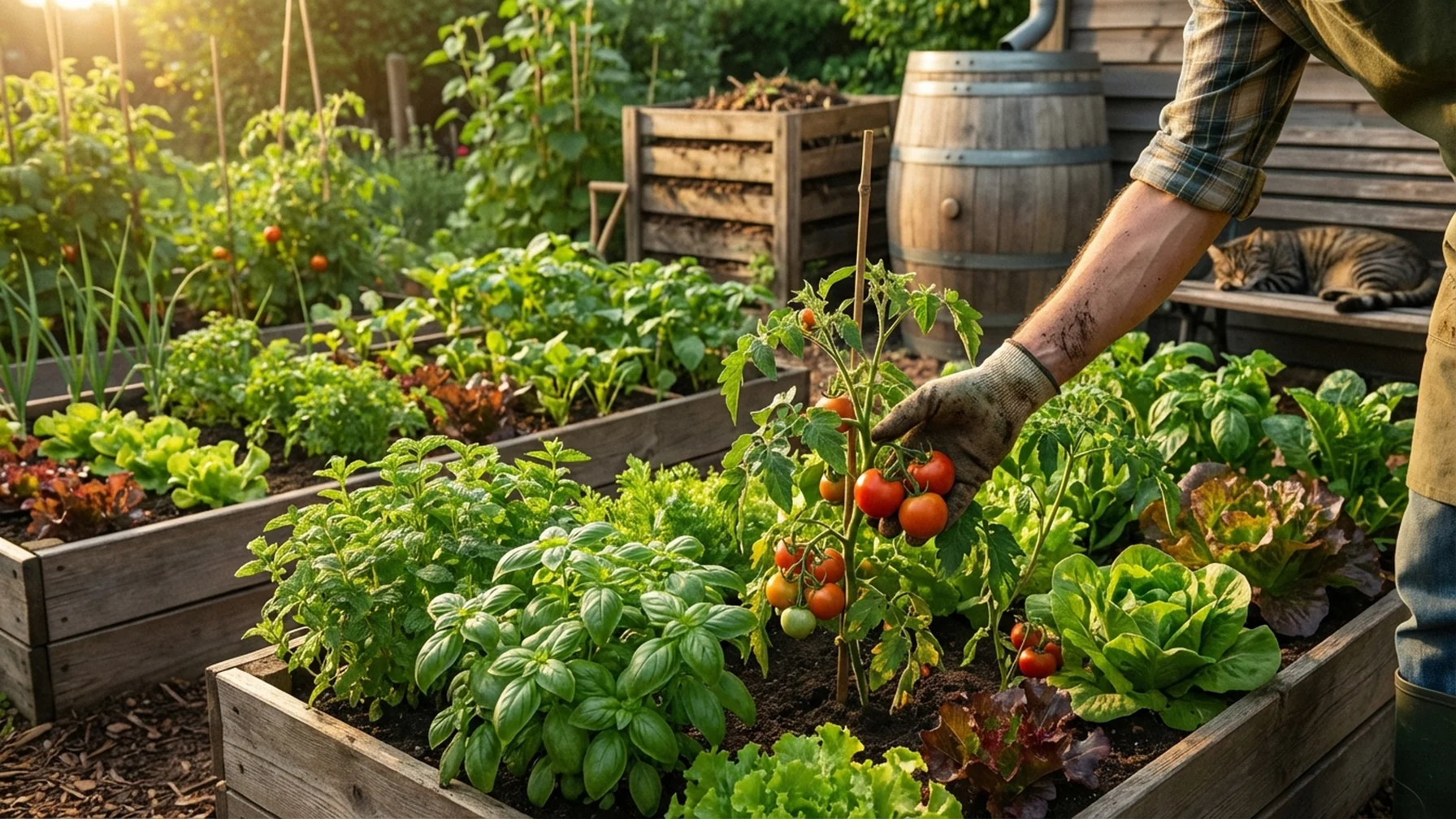
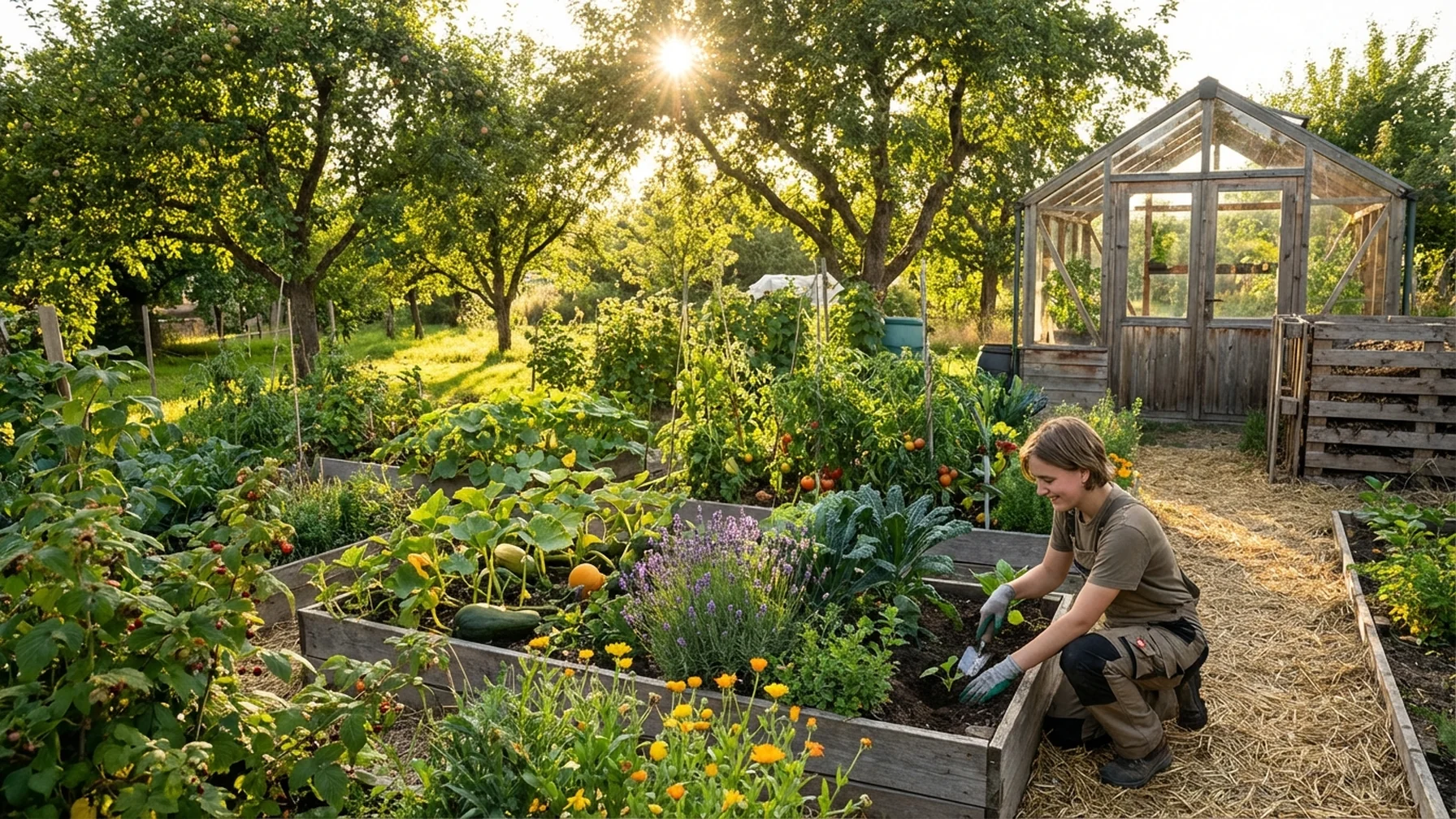
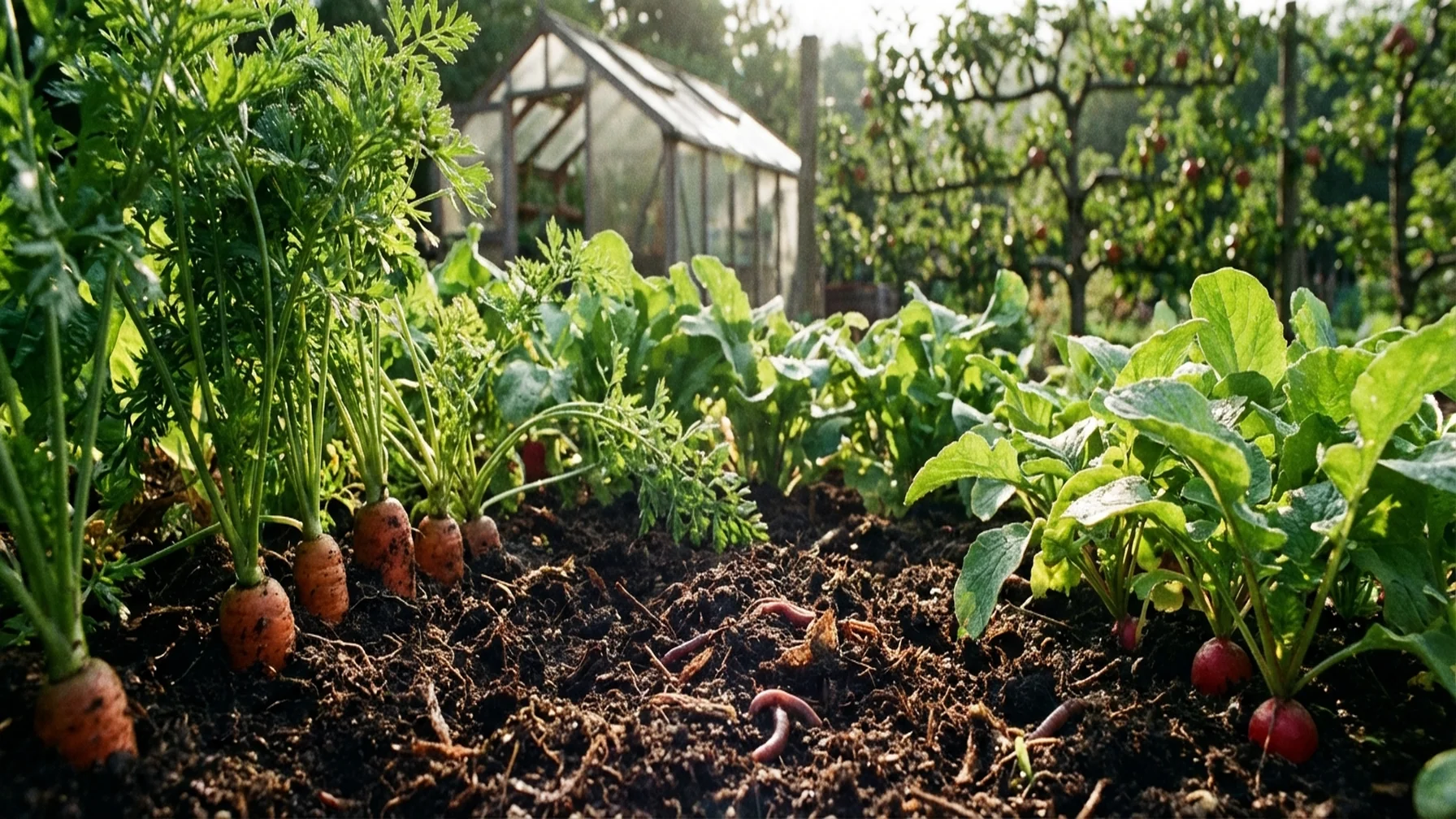
How to Start a Victory Garden in 2025 means planning a small, resilient food patch that suits modern lives. Think balcony tomatoes, a front-yard salad bed, or a community plot shared with neighbours. The goal is simple: grow fresh food, cut grocery bills, and gain a steady supply of herbs and veg you actually want to eat.

Why victory gardens still matter

Food prices swing, supply chains wobble, and most of us want fresher flavours. A compact garden gives you control. You pick varieties for taste rather than transport toughness, harvest at peak ripeness, and compost your scraps back into the soil. A single square metre can produce steady salads; a couple of containers can cover herbs for months.

Assess your space and sunlight

Great gardens start with light. Track sun for a few days—morning light is gentle, midday is intense, and late afternoon can scorch in summer. Six hours of direct sun suits tomatoes and peppers; leafy greens manage on four. Wind matters too: balconies and rooftops need windbreaks like mesh or dense herbs. In ground-level plots, note shade from fences and trees.

  • Balconies: Choose lightweight containers and drought-tolerant crops.
  • Patios: Raised beds warm quickly and drain well.
  • Yards: In-ground beds are affordable, but test soil if you suspect past contamination.

A tiny scenario: a south-facing balcony with gusts might host low, heavy pots of dwarf tomatoes, basil, and chives, with a bamboo screen to soften the wind. That small tweak keeps flowers from dropping and boosts yield.

Soil and containers that set you up for success

Soil is the engine. In raised beds or containers, use a blend of compost, coco coir or peat-free fibre, and mineral grit (perlite or pumice) for drainage. In the ground, mix in compost and a handful of rock dust if your soil is sandy. Clay soil benefits from organic matter and a little coarse grit.

Containers need drainage holes and enough volume: 20–30 litres for tomatoes, 10–15 for peppers, and 5–10 for most herbs. Dark pots warm quickly but dry out; light-coloured pots stay cooler. Self-watering planters reduce stress if you travel often.

Plan your crops by season and purpose

Pick what you eat weekly. Herbs, salad greens, and a couple of heavy hitters like tomatoes or courgettes pay back fast. Stagger planting for continuous harvests, and mix fast growers with slow ones to use space fully.

Quick-start crop planner for a small victory garden
Crop Sun Spacing Time to Harvest Notes
Loose-leaf lettuce 4–6 hrs 20 cm 30–45 days Cut-and-come-again; sow every 2–3 weeks
Basil 6+ hrs 25 cm 50–70 days Pinch tips to bush out growth
Tomatoes (dwarf/bush) 6–8 hrs One per 25L pot 60–80 days post-transplant Support with a short stake or cage
Radishes 4–6 hrs 5–10 cm 25–35 days Intercrop between slower plants
Kale 4–6 hrs 30–40 cm 50–70 days Tolerates cold; great for autumn

Pair crops smartly. Basil improves tomato flavour and helps deter pests; marigolds attract beneficial insects; radishes mark rows and mature before larger plants shade them.

How to Start a Victory Garden in 2025: step-by-step

Build momentum with a clear sequence. Start small, win early, and expand once you’re harvesting.

  1. Map the site: Note sun, wind, and watering access; choose containers or a bed based on that.
  2. Prep the soil: Fill with a peat-free mix, compost, and drainage material; moisten evenly.
  3. Pick starter crops: One tomato or courgette, a tray of mixed lettuces, and 3–4 herbs.
  4. Plant right: Set seedlings at the same depth, firm gently, and water to settle roots.
  5. Mulch: Add 2–3 cm of straw or shredded leaves to reduce evaporation and weeds.
  6. Feed and water: Use a balanced organic fertiliser every 2–3 weeks; water deeply, not daily sips.
  7. Scout weekly: Check leaf undersides for pests, remove damage early, and adjust staking.

This rhythm keeps care simple. Ten focused minutes twice a week beats sporadic bursts that swing from neglect to overwatering.

Watering and feeding without fuss

Consistency beats quantity. Aim for 2–3 cm of water per week in beds; containers may need more in heat. Early morning watering reduces loss and keeps foliage dry, lowering disease risk. If you can, set up a simple drip line on a timer.

Feed lightly but regularly. A diluted seaweed or fish-based feed every couple of weeks supports leafy growth, while a tomato fertiliser with higher potassium kicks in at flowering. Don’t overdo nitrogen on fruiting crops or you’ll get lush leaves and few fruits.

Pest and disease management that actually works

Most problems shrink with prevention. Strong plants resist better than stressed ones. Keep airflow by spacing correctly, rotate crops between seasons, and keep mulch tidy.

  • Aphids: Blast with water, introduce ladybirds, or spray diluted soap.
  • Slugs and snails: Hand-pick at dusk, use beer traps, and lay copper tape on pots.
  • Powdery mildew: Water soil, not leaves; remove infected foliage; spray milk solution (1:9).
  • Tomato troubles: Prune lower leaves, avoid overhead watering, and mulch to reduce splash.

A quick micro-example: noticing sticky leaves on chillies? Flip a leaf to find aphids, hose them off, then pinch the growing tips lightly to encourage branching and reduce aphid hotspots.

Succession planting for continuous harvests

Plants don’t all mature at once unless you make them. Sow small amounts often. Replace a harvested radish row with baby spinach, then switch to rocket as temperatures cool. In hot spells, tuck lettuce in bright shade behind taller peppers.

Saving seeds and closing the loop

Keep the best plants going. Save seeds from open-pollinated varieties of lettuce, peas, and tomatoes. Dry them fully and label with date and variety. Compost kitchen peelings and spent plants (minus diseased material) to feed next season’s bed. This turns your garden into a small ecosystem rather than a one-off project.

Common mistakes to avoid

Most setbacks trace to a few habits. Stay alert to these and you’ll sidestep frustration.

  1. Overcrowding: Seedlings look tiny; mature plants need space and airflow.
  2. Shallow watering: Frequent sprinkles train shallow roots. Soak less often, more deeply.
  3. Planting too early: Cold soil stalls growth. Wait until nights stay reliably mild.
  4. Ignoring supports: Cage tomatoes and stake peas before they flop.
  5. Growing what you won’t eat: Focus on staples you’ll harvest weekly.

Keep a simple log of sowing dates and harvests. You’ll spot patterns fast and adjust next season with confidence.

Small starts, big returns

You don’t need a field to produce food. A metre-wide bed can yield salads, herbs, and a few jars of passata by late summer. Start with a clear plan, a handful of reliable crops, and regular care. By the first ripe tomato, you’ll be hooked—and planning a second bed for autumn greens.

Online gambling payment gateway: Stunning Best Integration Guide

Online Gambling Payment Gateway Integration Guide

Online gambling payment gateway integration sits at the heart of any casino, sportsbook, or iGaming platform. Players expect deposits to clear fast, withdrawals to be painless, and security to be watertight. Operators need strong fraud controls, regional compliance, and uptime that doesn’t blink. This guide maps the moving parts—technical, legal, and operational—so you can connect payments without tripping over costly pitfalls.

What a Payment Gateway Does in iGaming

A gateway acts as the secure bridge between your cashier and payment processors. It encrypts sensitive data, routes transactions to acquirers, flags risky activity, and returns success or failure to your app. In regulated gambling, the gateway also helps you enforce age checks, affordability flags, and responsible gambling limits.

Picture a player topping up £50 with a debit card. The gateway tokenises the card, authenticates via 3‑D Secure, checks velocity limits, and passes the authorisation request to the acquirer. All of this happens in seconds. When it fails, players churn. When it hums, they stay.

Compliance: The Non‑Negotiables

Regulation shapes every integration decision. Neglect it and you risk fines or licence suspension. Bake these standards into your architecture from day one.

  • Licensing and KYC: Align with local gambling licences and enforce robust Know Your Customer checks before first deposit and at thresholds.
  • AML and Transaction Monitoring: Screen players and counterparties; set rules for unusual patterns (rapid deposits and withdrawals, mule indicators).
  • Card Scheme Rules: Apply 3‑D Secure 2, merchant category codes (MCC 7995 for betting), and region-specific card usage restrictions.
  • Data Protection: Comply with GDPR or equivalent, store the minimum, and prefer tokenisation over raw PAN storage.
  • Responsible Gambling: Respect deposit limits, cooling‑off periods, self‑exclusion lists, and affordability signals.

Your compliance stack must be auditable. Log every decision point—auth attempts, rule triggers, manual reviews—and retain evidence in line with licence terms.

Choosing an Online Gambling Payment Gateway

Selection hinges on more than fees. You need coverage, conversion, and control. Shortlist vendors that can prove uptime at scale, with references from live operators in your target markets.

Key evaluation criteria for iGaming gateways
Area What to Verify Why It Matters
Licences & Coverage Supported countries, schemes, local APMs Improves acceptance and reach
Risk Controls 3‑D Secure, velocity rules, device fingerprinting Cuts fraud and chargebacks
Payout Capabilities Instant withdrawals, push‑to‑card, bank rails Speeds up cash‑out; boosts trust
Tokenisation & Vault Network tokens, card updater services Reduces friction on repeat deposits
Reporting & Reconciliation API exports, webhook events, fee transparency Simplifies ops and finance close
Support & SLAs 24/7 incident response, clear uptime SLAs Limits downtime during peak events

Ask for historical approval rates by BIN, country, and device. A vendor with attractive pricing but weak approvals will cost more in lost deposits than you save on fees.

Technical Architecture for a Stable Cashier

Your cashier should be modular. Keep payment UI, gateway orchestration, risk engine, and ledger loosely coupled to swap components without rewrites.

  1. Frontend: Build a responsive cashier with hosted fields or iFrames to keep PCI scope low, and support 3‑D Secure challenge flows without page reloads.
  2. Gateway Orchestrator: A service that routes transactions to the best processor by country, card BIN, or risk score; supports retries and fallbacks.
  3. Risk & Compliance Layer: Real‑time rules for velocity, geolocation, self‑exclusion checks, and AML triggers; async reviews via case management.
  4. Wallet & Ledger: Maintain player balances and immutable transaction records; reconcile gateway reports daily.
  5. Notification Service: Webhooks to update deposit status, withdrawal approvals, chargebacks, and KYC milestones.

Two micro-scenarios: if 3‑D Secure fails due to a bank timeout, auto‑retry via an alternate route with a soft decline code. If a player retries deposits three times in a minute, pause and prompt for SCA or a different method to prevent duplicate charges.

Integration Steps and Best Practices

Move methodically. Each phase reduces risk before real money flows.

  1. Sandbox Setup: Create test merchants, configure currencies, and enable APMs (cards, instant bank, e‑wallets).
  2. Tokenisation First: Never handle raw card data server‑side; use hosted fields and gateway tokens.
  3. 3‑D Secure 2: Implement frictionless and challenge flows; surface clean UI states for OTP, app push, or biometrics.
  4. Idempotency Keys: Prevent duplicate transactions on retries or network blips.
  5. Webhooks & Reconciliation: Verify signatures; reconcile daily to spot mismatches in fees, chargebacks, and reversals.
  6. Withdrawals: Support KYC gating, source‑of‑funds checks, and return‑to‑source where required; queue large payouts for manual review.
  7. Monitoring: Track approval rates by method and market; alert on dips, latency spikes, and SCA challenge rates.
  8. Pilot Launch: Roll out to a small cohort, compare metrics to plan, then scale.

Document edge cases: partial captures, reversals after bonus abuse, and disputes. The time you spend here saves weeks of firefighting later.

Fraud, Chargebacks, and Risk Controls

Fraud in gambling skews toward card testing, bonus abuse, and friendly fraud. A layered defence works best.

  • Device and Behavioural Signals: Flag mismatched time zones, emulators, or impossible click speeds.
  • Velocity and Stacking Rules: Limit rapid top‑ups across cards, IPs, or accounts.
  • Geofencing: Block deposits from restricted territories even if VPNs mask IPs; cross‑check GPS or telco data where lawful.
  • BIN and Prepaid Controls: Tune rules for high‑risk BIN ranges; require SCA or block certain prepaid cards.
  • Dispute Playbooks: Store proof of 3‑D Secure, session logs, and gameplay to contest chargebacks efficiently.

Measure the right ratios: fraud to sales (F2S), chargebacks to sales (C2S), and acceptance rate. Optimise rules to raise acceptance without letting F2S creep up.

User Experience: Reduce Friction, Build Trust

Payments are part of the game experience. Smooth flows increase playtime and retention.

  • Clear Status Updates: Show real‑time states—authorising, successful, pending review—so players aren’t left guessing.
  • Local Methods: Offer the top three methods per region—e.g., cards, instant bank transfers, and a popular wallet.
  • One‑Click Top‑ups: With tokens and SCA exemptions, enable low‑friction repeat deposits within legal limits.
  • Fast Withdrawals: Use push‑to‑card or instant banking where possible; display realistic timelines and notify on release.
  • Transparent Limits: Explain deposit caps and self‑exclusion impacts with plain language, not error codes.

A small touch matters: when a bank declines a deposit, suggest an alternative method that’s known to convert well in that market, not a generic “try again.”

Operational Routines That Keep Money Moving

Great integrations fail without disciplined operations. Assign clear ownership across payments, risk, and support.

  1. Daily Reconciliation: Match gateway reports to your ledger; investigate missing webhooks and fee anomalies.
  2. Limit Reviews: Refresh deposit and withdrawal limits based on player behaviour and affordability signals.
  3. Dispute Management: File representments on time with strong evidence packs; track win rates by issuer.
  4. Vendor Management: Review SLAs quarterly; request root‑cause analyses for incidents and verify fixes.
  5. Regulatory Audits: Keep policy documents current; run mock audits to test evidence trails.

When a weekend sports final doubles traffic, have a playbook: pre‑scale capacity, relax non‑critical rules slightly, and set a real‑time war room with the gateway’s on‑call engineer.

When to Add a Second Gateway

Redundancy protects revenue. Add a secondary gateway when you expand to new geographies, see issuer‑specific dips, or need specialty payout rails.

  • Smart Routing: Send UK debit to Gateway A, EU e‑wallets to Gateway B, and high‑risk BINs to the one with stronger SCA.
  • Failover: If latency or errors spike, auto‑switch within milliseconds using cached tokens.
  • Unified Tokens: Maintain a vault that maps tokens to multiple processors so you’re never locked in.

Keep reporting unified. A thin orchestration layer normalises statuses and codes into your internal schema so finance and support don’t juggle two languages.

Security Essentials You Can’t Skip

Trust is hard‑won. A single breach can sink a brand.

  • PCI DSS Scope Reduction: Use hosted fields, avoid storing PANs, and segment networks.
  • Key Management: Rotate encryption keys and restrict access via hardware security modules where feasible.
  • Secrets Hygiene: Store API keys in vaults, not env files pushed to repos; enable mutual TLS where supported.
  • Pen Testing: Schedule regular external tests focused on cashier, webhook endpoints, and payout APIs.

Log minimally but meaningfully. Capture transaction IDs, tokens, and non‑sensitive metadata. Never log full card numbers or CVV—mask by design.

Final Checks Before You Go Live

A short go‑live list keeps you honest and reduces launch‑day drama.

  1. All payment methods tested with real cards and bank accounts in low‑risk amounts.
  2. 3‑D Secure challenges render correctly on mobile and desktop, dark and light themes.
  3. Webhooks verified with replay protection and alerting on failures.
  4. Reconciliation dry runs match to the penny, including fees and FX.
  5. Support scripts ready for common issues: SCA failures, pending withdrawals, duplicate charges.

Once live, watch the first 48 hours like a hawk. Approval rate, latency, and dispute flags will tell you where to fine‑tune routing and rules.

Best Vegetables to Grow for Self-Sufficiency: Stunning Picks

Best Vegetables to Grow for Self-Sufficiency

Best vegetables to grow for self-sufficiency are the ones that earn their keep: dependable yields, long harvest windows, high nutrition, and strong storage potential. Think in seasons and calories, not just salads. A self-sufficient plot mixes staples for energy, greens for micronutrients, and fast crops to bridge hungry gaps. With smart succession and a few preservation habits, a modest garden can feed you for much of the year.

Build a balanced garden for year-round eating

A productive plot covers different roles: calorie crops, protein-rich legumes, vitamin-dense greens, and storage roots. Combine these thoughtfully and you reduce trips to the shop. A small terrace grower might rotate quick greens in containers; a larger bed can carry potatoes, squash, and beans through winter.

Calorie anchors: potatoes, pumpkins, and sweet potatoes

For dependable energy, potatoes carry weight. One bed can produce heavy yields with early, maincrop, and late varieties, giving fresh new potatoes in early summer and sacks of keepers by autumn. Winter squash and pumpkins step in with long-keeping fruits that sit on a shelf for months. In warmer regions or a sunny microclimate, sweet potatoes fill a similar role with sprawling vines and nutrient-rich tubers.

Protein from plants: beans and peas

Climbing beans and shelling beans earn their place twice: fresh pods in summer and dried beans for the cupboard. Runner beans and French climbing beans make the most of vertical space; borlotti and cannellini dry well on the plant given a spell of dry weather. Peas offer early protein as shoots and pods, while hardy varieties can overwinter in mild climates for spring harvests.

Best Vegetables to Grow for Self-Sufficiency by season

Stagger your planting so each season contributes. Early greens cover the spring gap, summer crops stack calories, and winter stalwarts hold the line when growth slows.

Spring starters: speed and resilience

  • Leafy greens: spinach, chard, and cut-and-come-again lettuces yield within weeks.
  • Alliums: spring onions and garlic greens for flavour when tomatoes are months away.
  • Radishes and baby turnips: quick fillers while slower crops establish.

These crops mend the “hungry gap” between winter stores and summer plenty. Sow little and often. A tray of salad leaves on a windowsill can supply a family bowl every few days.

Summer workhorses: volume and variety

Tomatoes, courgettes, cucumbers, peppers, and aubergines fill plates through heat. Courgettes are famous for glut; pick small and often to keep plants productive. Interplant basil with tomatoes to shade soil and boost flavour while using space efficiently.

Autumn and winter keepers: storage and stamina

  1. Potatoes (maincrop): cure, then store in breathable sacks in the dark.
  2. Winter squash: harvest mature fruits with intact stems; cure for 10–14 days before shelving.
  3. Onions and garlic: dry thoroughly; braid or net for airflow.
  4. Carrots, beets, and parsnips: clamp in sand or leave in-ground under mulch where winters are mild.
  5. Kale, cabbage, and Brussels sprouts: stand through frost for fresh greens when little else grows.

Good storage turns a single harvest day into months of meals. A cool cupboard or insulated box of sand in a shed can hold roots crisp and sweet.

Top 10 crops that pull their weight

These vegetables score well for yield, nutrition, and storage or repeat harvests. Choose varieties that suit your climate and soil, and adjust quantities to your household size.

  • Potatoes: high calorie, reliable, store well.
  • Kale or collards: resilient, nutrient-dense, harvest for months.
  • Runner/French beans: fresh and dryable; fix nitrogen for the soil.
  • Winter squash: long storage, versatile in soups, curries, and roasts.
  • Onions: flavour foundation; keep for months when cured.
  • Garlic: compact, disease-resistant if rotated, stores well.
  • Carrots: sweet, high yield per square metre, store in sand.
  • Cabbage: heads plus outer leaves; ferment as sauerkraut.
  • Tomatoes: sauces, drying, bottling; cherry types for steady snacking.
  • Chard: year-round leaf supply with regular picking.

In a tiny space, prioritise cut-and-come-again greens and climbing beans. On larger plots, add calorie crops to reduce reliance on grain and bread.

Succession and spacing for continuous harvests

Timing matters as much as crop choice. Many gardeners pick once, then face gaps. Plan successive sowings and use every niche.

  1. Sow small batches every 2–3 weeks of salads, radishes, and herbs.
  2. Underplant slow crops (tomatoes) with fast fillers (lettuce) to harvest before shade closes.
  3. After early potatoes, replant with kale or French beans to catch the season’s tail.
  4. Start winter brassicas in trays while summer crops still grow, then transplant promptly.
  5. Use cloches or fleece to push shoulders of the season forward and back.

A simple example: pull spring onions in June, slide in dwarf beans the same day, then sow spinach as the beans fade in September. One bed, three crops, nearly continuous output.

Preservation habits that stretch abundance

Self-sufficiency isn’t only about fresh harvests. A few low-effort methods bank food for lean months.

  • Drying: beans, tomatoes, herbs; a warm oven or dehydrator works.
  • Fermenting: cabbage into sauerkraut; carrots into tart sticks.
  • Freezing: blanched greens and beans; roasted squash puree in tubs.
  • Cellaring: cured onions, garlic, and pumpkins on shelves with airflow.

Picture a rainy January night: a jar of passata, a scoop of dried beans, and a head of stored garlic become dinner without a shop run.

Soil care and rotation: the quiet multipliers

Healthy soil pays you back. Compost, mulch, and diverse roots build structure and keep moisture where you need it. Rotate families—brassicas, legumes, alliums, roots, solanums—to outfox pests and diseases. A simple four-bed rotation keeps planning sane.

Quick-reference: roles and storage at a glance

The table below pairs staple crops with their main role and how they keep. Use it to balance your plan.

Core crops for a self-sufficient kitchen garden
Crop Main role Harvest window Storage method
Potato (maincrop) Calories Late summer–autumn Cure, store dark and cool
Winter squash Calories, vitamins Autumn Cure, keep on shelves
Kale Greens, winter fresh Autumn–spring On plant; short freeze
Dried beans Protein Late summer Dry fully, jar or sack
Onion Flavour base Summer Cure, hang or crate
Carrot Roots, sweetness Autumn–winter Sand box, cool
Tomato Sauce, fresh Summer Bottle, dry, freeze

Adjust quantities to what you eat. If soups and roasts dominate your winter, favour squash and onions; if curries and stews are your thing, grow more tomatoes, garlic, and beans.

Micro-examples to guide planning

Small urban bed (3×1 m): two tomato plants with basil; a teepee of climbing beans; a row of chard; spring onions along edges; successive trays of salad. Autumn sow kale where beans were. Result: daily greens, summer sauces, dried beans for winter.

Family plot (6×4 m): two beds of potatoes; one bed split between onions and carrots; one bed of brassicas; perimeter of squash; trellis of runner beans. Preserve onions and squash, freeze tomato passata, clamp roots. Result: staples most of the year, with fresh greens through winter.

Practical pitfalls to avoid

Over-planting courgettes leads to waste; start with two plants. Skipping curing shortens storage life for onions and squash. Ignoring rotations invites clubroot and onion fly. Keep notes. They become next year’s best tool.

Plant with purpose, harvest with rhythm

Self-sufficiency favours steady habits over heroic weekends. Sow a little each fortnight, feed the soil, and tuck harvests away at their peak. With a smart crop mix and simple preservation, the garden turns into a reliable pantry—one meal at a time.

Organic Gardening Tips: Stunning, Effortless Beginner Guide

Organic Gardening Tips for Beginners

Organic Gardening Tips for Beginners matter most when you’re staring at a bare patch of soil and a packet of seeds. Starting simple, observing closely, and working with nature beats fancy gadgets every time. With a few grounded habits, you can grow healthy food, avoid synthetic chemicals, and turn small spaces into lively ecosystems.

Start with soil: the living foundation

Great gardens begin underground. Healthy soil teems with fungi, bacteria, and tiny critters that cycle nutrients and keep roots well fed. Disturb that web and plants struggle; feed it and everything above ground wakes up.

Test your soil’s texture by squeezing a damp handful. If it forms a ribbon, it’s clay-heavy; if it falls apart immediately, it’s sandy; if it holds together then crumbles, you’re close to loam. Add well-rotted compost to any soil type to improve structure and moisture balance.

Choose realistic crops for your conditions

Match plants to your climate, sun, and time commitment. A sunny balcony might suit cherry tomatoes and basil in pots, while a cool, breezy plot could excel with peas, kale, and salad leaves. Grow what you actually eat to keep enthusiasm high.

As a tiny scenario: one 1 m² bed can yield weekly salads with cut-and-come-again lettuces, rocket, and chives. You’ll harvest little and often, which keeps plants productive and meals fresh.

Organic gardening tips for beginners: plan small and grow steadily

Ambition can outrun energy. A compact, well-managed bed outperforms a sprawling weedy patch. Small spaces let you learn fast and make fewer mistakes.

  1. Pick a manageable area: 1–2 raised beds or five large containers.
  2. Plant a mix of quick wins (radishes, salad leaves) and steady staples (beans, tomatoes).
  3. Add a weekly 20-minute slot for watering, weeding, and notes.
  4. Track what thrives; replant your winners next season.

That simple cadence builds a habit. You’ll notice patterns—like how morning sun dries leaves quickly—and those observations guide smarter choices than any generic rulebook.

Compost: turn kitchen scraps into plant power

Compost is the engine of an organic garden. It recycles household and garden waste into a dark, crumbly conditioner packed with nutrients and beneficial microbes.

  • Greens: fruit and veg peelings, coffee grounds, fresh clippings.
  • Browns: dry leaves, shredded cardboard, paper egg cartons.
  • Air and moisture: keep it as damp as a wrung-out sponge and fork it monthly.

Layer greens and browns roughly 1:2, cap with browns to deter flies, and avoid meat, dairy, and oily foods. In a few months, you’ll have a soil booster that beats bagged feed for long-term health.

Water wisely without waste

Plants prefer deep, occasional drinks to daily sprinkles. Water at the base, early morning, so leaves stay dry and diseases stay low. Mulch—straw, leaf mould, or chipped bark—locks in moisture and keeps soil life comfortable.

If you use containers, choose larger pots with drainage and water until you see a trickle from the bottom. A finger test—first knuckle into the soil—beats guesswork.

Companion planting and diversity

Mixed plantings confuse pests and support beneficial insects. Calendula, nasturtiums, and dill draw pollinators and predatory wasps. Strong-scented herbs like thyme and rosemary can mask vulnerable crops nearby.

Try a bean–corn–squash trio in warm climates: beans fix nitrogen, corn provides a climbing frame, and squash shades soil to suppress weeds. In smaller beds, interplant lettuces under taller tomatoes to use light efficiently.

Natural pest control you can trust

Skip the sprays. Build resilience and intervene with gentle tactics only when needed. A few nibbles are normal; a healthy ecosystem keeps damage in check.

  1. Prevention: strong seedlings, clean tools, and good spacing for airflow.
  2. Barriers: fine mesh over brassicas; copper tape on pots for slugs.
  3. Hand-pick: 5 minutes at dusk for slugs or in the morning for caterpillars.
  4. Beneficials: plant yarrow and fennel to host hoverflies and ladybirds.
  5. Targets: use neem or soft soap sparingly on aphids; reapply after rain.

Consider wildlife allies. A small water dish with pebbles helps bees drink. A log pile invites ground beetles, voracious hunters of slugs and larvae.

Simple crop rotation to reduce disease

Rotating plant families prevents nutrient imbalances and soil-borne problems. Even in small gardens, a basic cycle works well.

Four-bed rotation by plant family
Year Bed A Bed B Bed C Bed D
1 Legumes (beans, peas) Brassicas (kale, cabbage) Fruit crops (tomatoes, peppers) Roots/Alliums (carrots, onions)
2 Brassicas Fruit crops Roots/Alliums Legumes
3 Fruit crops Roots/Alliums Legumes Brassicas
4 Roots/Alliums Legumes Brassicas Fruit crops

If space is tight, rotate by container or swap plant families each season. Even a two-year cycle cuts risk meaningfully.

Seed sowing that actually works

Seeds want warmth, moisture, and air. Use a fine, peat-free seed compost and sow at the depth listed on the packet—often no deeper than twice the seed’s size. Lightly firm, mist, and cover with a clear lid to hold humidity until germination.

Once seedlings sprout, move them to bright light and brush your hand over the tops daily to encourage sturdy stems. Pot on when true leaves form, and harden off for a week outdoors before planting out.

Feed the soil, not the plant

In organic systems, most nutrition comes from compost, leaf mould, and occasional organic feeds. A balanced regime keeps growth steady and flavours rich.

  • Base: 2–5 cm of compost mulched in spring.
  • Boosts: dilute seaweed or compost tea during flowering and fruiting.
  • Cover crops: sow clover or buckwheat in gaps to return biomass to soil.

A quick example: a midseason seaweed feed on tomatoes can reduce blossom-end rot by supporting calcium uptake, especially during dry spells.

Harvest timing and gentle handling

Pick in the cool of morning when plants are turgid. Twist, don’t yank, to avoid damaging stems. Frequent harvesting stimulates new growth in beans, courgettes, and herbs. For leaves, cut outer growth and leave the heart to regrow.

Rinse soil off roots, dry them in shade, and store according to type—greens in the fridge, onions in a dry airy spot, potatoes in the dark.

Troubleshooting common beginner hurdles

Most setbacks have plain causes. A short checklist can save a season.

  1. Leggy seedlings: not enough light; move to a brighter window or use a grow lamp.
  2. Yellow leaves: overwatering or poor drainage; improve aeration and water less.
  3. No fruit set: low pollination or heat stress; add flowers nearby and water consistently.
  4. Holes in brassicas: caterpillars; use fine mesh and inspect undersides of leaves.

Keep a notebook. One line per week—weather, tasks, outcomes—quickly reveals patterns you can act on next time.

Seasonal rhythm keeps momentum

Organic gardening rewards steady attention. Sow cool-season crops like peas and spinach early, warm-lovers like tomatoes after frost, and autumn greens as summer wanes. Tuck garlic and onions in before winter, then mulch and rest the soil.

Even a balcony can hold a year-round sequence: winter herbs, spring salads, summer tomatoes, and autumn radishes, each handing the baton to the next.

Small actions, lasting abundance

Start with one bed, one compost bin, and a handful of seeds. Protect the soil, water with purpose, mix your plantings, and welcome allies with flowers and habitat. The garden will teach you the rest, one harvest at a time.

Dig for Victory: Stunning Legacy and Best Lessons

The History and Legacy of the Dig for Victory Movement

The History and Legacy of the Dig for Victory Movement is rooted in a wartime campaign that transformed empty lawns into productive plots and turned food shortages into a national mission. Born in Britain at the outset of the Second World War, the movement mobilised ordinary people to grow their own vegetables, conserve resources, and change eating habits under pressure. Its afterlife is no less striking: the ideas, techniques, and community spirit continue to shape urban gardening, food policy, and climate-conscious living worldwide.

Origins: A response to blockade and scarcity

By late 1939, Britain imported over half of its food. German U-boat attacks threatened those supply lines, creating the risk of empty shops and mounting hunger. The Ministry of Agriculture moved quickly, launching a national appeal to cultivate every available patch of soil—parks, school grounds, railway verges, and back gardens.

Posters urged citizens to “Dig for Victory.” Radio talks explained soil preparation. Pamphlets gave planting schedules and pest advice. The goal wasn’t romance; it was calories, vitamins, and resilience. Carrots, potatoes, cabbage, and swedes became staples because they were hardy, storable, and nutrient-dense.

How the campaign worked on the ground

Ministries coordinated with local councils to allocate land and set up demonstration plots. Gardening clubs formed overnight. Teachers ran lunchtime potato lessons. A typical street might share tools, swap seed potatoes, and record harvests on kitchen calendars.

The message was paired with practical scaffolding. Seed distribution centres opened. Allotment waiting lists shortened as municipal land was converted. Even sports pitches and ornamental lawns were reassigned to vegetables. London’s bomb sites, cleared of rubble, sprouted with beans and beetroot.

What grew—and why it mattered

Choice bowed to necessity. Varieties emphasised yield, storability, and nutrition. There were carrots by the sack, potatoes in clamps, and winter brassicas standing like sentries in frost. Children were taught to thin rows and recognise wireworm. People learned to mix compost and rotate crops without fanfare—it was simply what kept the larder full.

One tiny scene captures the mood: a mother stirring carrot soup while her daughter rinses muddy parsnips in a tin bowl, both laughing at a crooked beet. The food was plain, but it fed people well enough to keep them healthy under rationing.

Education, media, and the role of propaganda

Public communication was relentless and inventive. Posters combined bright graphics with simple imperatives. Radio slots featured agronomists explaining seed spacing in friendly tones. Films showed a factory worker tending his evening allotment, proving that anyone with an hour and a spade could contribute.

Importantly, the guidance was technically solid. It covered soil pH, trench composting, and intercropping. People weren’t patronised; they were taught. That respect for the learner is one reason the techniques stuck.

Measuring success: yields, health, and morale

The numbers tell a stark story. By the early 1940s, millions of allotments were in cultivation. Home production of vegetables rose dramatically, easing pressure on convoys. While exact figures vary by county and season, the uptick in domestically grown produce is undisputed.

Health indicators also held steady. Despite rationing, many families ate more vegetables than before the war. Vitamin deficiency rates were lower than feared. Morale improved because people felt useful, not helpless.

Table: Wartime gardening practices and their impact

Several core practices defined the movement. Each addressed a specific constraint—labour, fuel, space, or storage—and together they formed a resilient system.

Key Dig for Victory Practices and Outcomes
Practice Purpose Typical Outcome
Double digging and trench composting Boost soil fertility with limited fertiliser Higher yields on poor or compacted ground
Crop rotation Reduce pests and disease without chemicals Fewer losses, steadier production
Clamp storage for roots Keep harvest edible through winter Lower spoilage, continuous supply
Intercropping Maximise small spaces More food per square metre
Seed saving Cut reliance on imports Local adaptation and autonomy

These methods entered household lore. Grandparents passed them down, often without naming them. A neat row of leeks after potatoes is more than tradition; it’s a legacy of rotation that still works.

Social fabric: community, gender, and everyday life

The movement reshaped public space and domestic roles. Women drove much of the effort, managing gardens while working and queuing for rations. Children learned seasonal rhythms—sowing in spring, earthing up in summer, digging clamps in autumn.

Community formed around shared purpose. A neighbour might lend a fork and come back with a jar of pickled beetroot. Even in city centres, gardening clubs offered advice and companionship. The act of growing food stitched people together.

After the war: what faded and what endured

As trade routes reopened, some plots returned to grass. Supermarkets later encouraged convenience over cultivation. Yet not everything faded. Allotment culture persisted, particularly in towns with long waiting lists and proud associations. School gardens never fully vanished.

The biggest inheritance wasn’t just technique but mindset: food security can be local, and practical knowledge belongs to everyone.

Environmental echoes in the present

Modern gardeners face different threats—climate change, soil degradation, urban sprawl—but many wartime lessons fit. Composting sequesters carbon and builds structure. Diverse plantings buffer against pests. Hardy crops stabilise supply when weather flips from drought to deluge.

Urban agriculture—rooftop beds, community plots, balcony containers—channels the same spirit. A shared rainwater butt on a tower-block terrace has the same pragmatic energy as that 1942 water barrel by the shed.

The History and Legacy of the Dig for Victory Movement in education

Schools and community organisations are reviving garden literacy. Short sessions teach soil testing with vinegar and baking soda, sowing by soil temperature rather than date, and cooking straight from the plot. The learning is tactile and memorable.

Even a micro-example helps: students compare two carrot rows, one thinned properly, one crowded. The thinned row yields plump roots; the crowded one offers spindles. A simple lesson, anchored in action, echoes wartime pedagogy.

Practical steps to honour the legacy at home

You don’t need a large garden. A courtyard, balcony, or borrowed verge can carry the torch. Start small, stay steady, and choose crops that suit your place and plate.

  1. Assess light and soil, then pick three reliable crops (e.g., potatoes, chard, bush beans).
  2. Build fertility with compost; skip peat and feed soil life with kitchen scraps.
  3. Plan a simple rotation across beds or containers to break pest cycles.
  4. Grow for storage: roots in autumn, hardy greens for winter meals.
  5. Share surplus, seeds, and knowledge with neighbours or a local group.

Each action nudges a community toward resilience. The cumulative effect looks modest day to day, then unmistakable come harvest.

Common pitfalls when reviving wartime methods

Not every practice translates wholesale. Some techniques require tweaks for modern conditions and climate shifts. A short checklist helps avoid frustration.

  • Over-digging can harm soil structure; use broadforks or no-dig beds where suitable.
  • Monocultures of high-yield roots invite pests; diversify with herbs and flowers.
  • Ignoring water capture wastes a free resource; install barrels and mulch deeply.
  • Planting by date alone misses microclimates; plant by soil warmth and weather windows.

Adapting the spirit—resourcefulness and practical science—matters more than replicating every technique exactly.

Why the story still resonates

The appeal isn’t nostalgia. It’s the clear link between action and outcome. A seed becomes food; a neighbour becomes a partner; a street becomes a quietly productive landscape. The wartime campaign proved that ordinary people, given sound advice and a common goal, can change the texture of daily life.

That lesson remains timely. Whether the pressure is geopolitical, economic, or environmental, the path is familiar: learn, share, plant, and feed each other. The harvest follows.

Composting Made Easy: Stunning, Affordable Growth

Composting Made Easy: Turning Waste into Growth

Composting made easy begins with a simple idea: nature already knows how to turn scraps into soil. When you set up a small system at home or in a shared space, you copy that cycle and speed it up. Food peelings, garden trimmings, coffee grounds—they all become a dark, crumbly material that feeds plants and locks carbon back into the ground.

Why composting beats the bin

Rotting food in landfill releases methane, a potent greenhouse gas. In a compost heap, oxygen and diverse microbes manage the breakdown, cutting those emissions and making a useful soil conditioner. It also shrinks household waste, saves on fertiliser, and improves soil texture from patio pots to community gardens.

A handful of finished compost holds water like a sponge yet drains excess quickly. That balance helps seedlings root deeply and reduces stress in heatwaves. If you’ve struggled with potting mixes that dry out in days, blending in compost brings steadier moisture and slow-release nutrients.

Composting made easy: choose your method

There isn’t one “right” way to compost. Pick a method that fits your space, time, and appetite for tinkering. A balcony gardener won’t run a three-bin hot system, and that’s fine. The goal is steady decomposition without smells or pests.

Common composting methods at a glance
Method Best for Speed What it handles well Notes
Cold bin Most households 3–12 months Kitchen scraps, leaves, cardboard Low effort; occasional turning helps
Hot composting Gardeners with volume 4–8 weeks Weeds, grass clippings, manure Needs active turning and balancing
Vermicompost (worms) Flats, indoor setups 2–4 months Veg scraps, coffee, paper Keep bedding damp; avoid citrus overload
Bokashi Small kitchens, cooked food 2–6 weeks (pre-ferment) Cooked leftovers, dairy, small bones Needs burial or a second-stage bin

If you’re unsure, start with a simple lidded bin or a tidy pallet cage. You can scale up later if you catch the bug and want faster results.

What goes in: the green–brown balance

Compost thrives on a mix of nitrogen-rich “greens” and carbon-rich “browns.” Think of greens as juicy fuel and browns as structure plus energy. Too many greens smell; too many browns stall.

  • Greens: veg and fruit scraps, fresh grass clippings, coffee grounds, tea leaves, manure from herbivores.
  • Browns: dry leaves, shredded cardboard, paper towels without chemicals, straw, wood shavings (not treated).

A rough target is two parts browns to one part greens by volume. After tipping in a bowl of peels, cover with a shovel of leaves or ripped cardboard. Picture a small scenario: you empty a caddy of salad trimmings, toss on a handful of shredded mail, and give it a quick fluff with a fork—smell sorted, airflow improved.

What to keep out

Some materials cause trouble or invite pests. When in doubt, skip it or use a specialised method.

  1. Meat, fish, and large bones in open bins—use bokashi or municipal food waste instead.
  2. Oily foods and dairy, unless using bokashi.
  3. Glossy or plastic-coated paper, synthetic tea bags, vacuum dust from carpets with microfibres.
  4. Treated wood, coal ash, or pet waste from carnivores.
  5. Invasive weed roots or seed heads unless you run a hot pile above 55°C/131°F.

These exclusions prevent smells, toxins, and spread of weeds. If you run a hot system with a thermometer and regular turning, you can process tougher materials safely.

Setting up your first bin

Site the bin on soil if possible, so worms and microbes can move in. If you only have hardstanding, add a layer of finished compost or garden soil to seed the biology. Keep the bin shaded in hot summers and sheltered from harsh winds.

Start with a 10–15 cm base of browns for airflow. Add a small layer of greens, then cover with browns. Keep building in thin layers. Moisture should feel like a wrung-out sponge. If it’s soggy, add shredded cardboard; if dusty-dry, mist with water or add juicy greens. A garden fork or compost aerator helps you fluff the pile lightly every couple of weeks.

Troubleshooting quick fixes

Most issues trace back to moisture, mix, or airflow. Small nudges correct them within days.

  • Smelly or slimy: add dry browns, break up clumps, stir for air, and cover fresh food immediately.
  • Dry and not breaking down: sprinkle water, add fresh greens, and cap with damp leaves.
  • Fruit flies: bury kitchen scraps deeper, add a brown “blanket,” or fit a tighter lid.
  • Ants: pile is too dry—moisten and stir; they usually leave.
  • Slow in winter: turn less, add insulating browns, and accept a slower pace; spring warmth reboots activity.

A simple thermometer costs little and shows when the core heats up. Temperatures above 55°C/131°F for several days help kill weed seeds and pathogens in hot compost systems.

Harvesting and using the good stuff

Finished compost smells earthy, looks dark, and crumbles in the hand. You may spot a few woody bits—sieve them out and return to the next batch. Timing varies with method and climate, but patience pays: rushing half-finished material can tie up nitrogen around young plants.

Use compost in several ways:

  1. Top-dress beds: spread 1–2 cm in spring or autumn and let worms blend it.
  2. Mulch around shrubs: 3–5 cm suppresses weeds and saves water.
  3. Potting mixes: blend one part compost with two parts peat-free base and a gritty component.
  4. Compost tea (non-aerated): soak a shovel in a bucket for a day and water around plants.

A tomato in a container with a compost-rich mix holds moisture between heat spells. In a small courtyard, that can be the difference between daily watering and every third day.

Going further: speed and scale

If you want faster output, try hot composting. Build a cube about one metre on each side with a 2:1 browns-to-greens ratio, moisten, and turn it every 3–4 days. With practice, you can make finished compost in a month. For flats, a worm bin under the sink turns a family’s veg scraps into rich castings with minimal fuss.

Community setups also shine. A shared three-bin system at an allotment or block courtyard spreads the workload. One bin fills, one rests, one cures. Clear rules on inputs keep it clean, and the finished compost feeds communal beds.

Small habits that keep it easy

Consistency beats intensity. A tidy caddy on the counter, a stack of ripped cardboard nearby, and a quick weekly check stop problems before they start. If you cook often, line the caddy with paper to keep it clean. If you prune, chop woody stems to thumb-length to speed decay.

Those tiny steps build momentum. Scraps become soil, soil boosts growth, and the cycle turns. With a bit of care, you turn what you used to throw away into something your plants crave.

Seasonal Planting Guide: Stunning Tips for UK Gardeners

Seasonal Planting Guide for UK Gardeners

Seasonal Planting Guide for UK Gardeners is more than a calendar—it’s a rhythm. The UK’s temperate climate, fickle springs, and increasingly erratic summers reward those who plant by season, not impulse. With a little planning, you can move from hungry gap to autumn glut with continuity, colour, and crops that actually thrive.

Reading the UK seasons, not just dates

Frost dates shift by microclimate. A sheltered London courtyard behaves differently to a breezy Yorkshire allotment. Watch for soil temperature, not just the calendar: when it feels cool but not clammy in your hand and crumbles rather than smears, you’re close to sowing time. Keep notes; your patch has its own patterns.

A practical example: in a coastal garden, broad beans sown in November may overwinter happily. Ten miles inland on a frosty plain, the same seedling might stall without fleece.

Spring: from first warmth to late frosts

Spring pushes gardeners to act early, but patience pays. Work the soil only when it’s workable and feed with well-rotted compost. Early crops earn their keep while summer plants size up.

  1. Late winter to early spring (Feb–Mar): sow broad beans, peas, spring onions, radishes, spinach, and hardy salads under cloches; plant first early seed potatoes; start tomatoes, chillies, and aubergines indoors.
  2. Mid-spring (April): direct-sow carrots, beetroot, chard, parsnips; plant second early potatoes; pot on tender seedlings; divide perennials like hostas and daylilies.
  3. Late spring (May): after frost risk, harden off and plant tomatoes, courgettes, sweetcorn, and French beans; sow annuals such as calendula, cornflowers, and marigolds for pollinators.

Use fleece as insurance. A single cold night can flatten courgettes; one layer of horticultural fleece keeps growth moving.

Summer: succession, shading, and water sense

By June, growth surges. Plants outgrow pots fast; roots need air and even moisture. Mulch to retain water and reduce weeds, and water deeply but less often to push roots down.

  • Succession sowing: every two weeks, sow salads, dwarf French beans, and beetroot for staggered harvests.
  • Heat-aware choices: basil and cucumbers love warmth; lettuce prefers partial shade to avoid bolting.
  • Support and prune: tie in tomatoes, pinch side shoots on cordon types, and net berries before birds notice.

A small city balcony can keep herbs tidy in 12–20 cm pots: thyme in gritty compost, basil in rich, moisture-retentive soil, and mint in its own container to curb runners.

Autumn: planting for resilience and early harvests

Autumn isn’t the end—it’s the setup. Warm soil and cooler air let roots establish without stress. Plant for the hungry months and for next spring’s colour.

  1. September: sow spinach, mizuna, and rocket; plant autumn-raspberry canes and strawberries; lift and divide congested perennials.
  2. October: plant garlic and overwintering onions; tuck in hardy broad beans; set tulip and daffodil bulbs at correct depth.
  3. November: mulch beds with leaf mould or compost; plant bare-root roses, hedging, and fruit trees while dormant.

A small raised bed can hold garlic in a grid at 15 cm spacing. By late spring, you’ll pull fat bulbs and free the space for beans.

Winter: protect, prune, and plan

Growth slows, but winter work pays dividends. Clean tools, sharpen secateurs, and check structures. Prune apples and pears on frost-free days, and remove cankered growth. In mild spells, sow hardy salads under cover.

Seed catalogues tempt excess. Focus on varieties that suit your site: early, blight-tolerant potatoes for wet regions; mildew-resistant courgettes for dry spells; dwarf beans for windy plots.

Table: quick-reference sowing and planting windows

Use this mini-calendar as a starting point. Adjust a few weeks either way based on frost dates and microclimate.

Core UK crops and typical timings
Crop Sow Indoors Direct Sow/Plant Out Notes
Tomato (cordon) Feb–Mar May–June Harden off; support and feed weekly once fruit sets
Courgette April Late May Protect from late frost; harvest small for flavour
Broad bean Nov or Feb March Overwinter in mild areas; pinch tips against blackfly
Carrot April–June Fine tilth; cover to deter carrot fly
Garlic Oct–Nov Plant cloves 2–3x their depth; needs cold spell
Strawberry (runners) Aug–Sept Replace plants every 3–4 years for vigour
Daffodil/Tulip Sept–Nov Plant tulips deepest; good drainage prevents rot

Keep records against these windows. If a cold spring delays you, switch to modules under cover and plant out strong starts when conditions catch up.

Soil and compost: seasonal tweaks that matter

Healthy soil carries you through rough weather. Add compost in autumn to feed soil life over winter, then top up lightly in spring. On heavy clay, add sharp sand and grit to planting holes for bulbs and Mediterranean herbs. On sandy soil, increase organic matter to hold moisture.

For containers, refresh the top third each spring and add slow-release fertiliser. Tomatoes in pots crave consistent feed; herbs like rosemary prefer leaner mix and excellent drainage.

Protecting crops through seasonal hazards

Slug pressure peaks in wet springs. Beer traps and evening hand-picking help; copper collars around prized hostas can save leaves. In hot spells, shade cloth over lettuce prevents scorch. Use horticultural fleece to guard against late frost and brassica netting to block cabbage white butterflies.

One tiny habit: water early morning at the base, not over leaves. Less disease, less waste, better growth.

Seasonal Planting Guide for UK Gardeners: small-space edits

Balconies and patios can produce plenty with vertical thinking. Grow bags suit tomatoes and peppers; trellis French beans up a fence; hang baskets with tumbling strawberries. Choose compact or dwarf varieties and prune to shape, not just size.

  • Choose multi-use plants: rainbow chard for colour and kitchen; calendula for pollinators and petals.
  • Stagger pot sizes: deep pots for carrots (short varieties), shallow trays for salads, tall containers for peas.
  • Rotate by container: move crops, not soil, and refresh compost yearly to reduce pests.

A single half-barrel can host a mini guild: dwarf apple in the centre, chives at the rim, and spring bulbs beneath for early cheer.

Month-by-month priorities to stay on track

Breaking the year into sharp tasks keeps momentum and reduces overwhelm. Follow this sequence as a spine for your plan.

  1. January–February: plan rotations, clean tools, start chillies and tomatoes inside; chit first early potatoes.
  2. March–April: prep beds, sow hardy crops, prick out seedlings, and keep fleece handy.
  3. May–June: harden off, plant tender crops, mulch thoroughly, and begin weekly feeding.
  4. July–August: harvest little and often, sow for autumn, and keep up with tying-in and watering.
  5. September–October: plant garlic and onions, divide perennials, and set bulbs.
  6. November–December: plant bare-roots, protect crowns with mulch, review notes, and order seed smartly.

Small, regular actions beat heroic weekend marathons. Ten minutes staking beans on a Tuesday can save a wind-blown mess by Friday.

Choosing varieties that suit UK conditions

Pick cultivars bred or proven for local success. Look for blight-resistant potatoes like Sarpo Mira, bolt-resistant lettuce such as ‘Little Gem’, and hardy kale like ‘Red Russian’. For flowers, drought-tolerant perennials—sedum, echinacea, salvias—bridge dry summers without sulking.

If late frosts are your norm, favour slower, sturdier types over precocious divas. Reliability wins harvests.

Putting it together for a year-round plot

Think in flows: winter alliums feed spring beds; spring salads give way to courgettes; autumn garlic closes the loop. Keep notes, adjust timing by your frost line, and build soil every season. The result is a garden that works with the weather, not against it—and a plate that rarely runs out of something fresh.

Save Seeds: Stunning Guide to Best Next-Year Harvest

How to Save Seeds for Next Year’s Harvest

How to Save Seeds for Next Year’s Harvest begins with choosing the right plants and ends with patient drying and careful storage. Gardeners have passed seed-saving know‑how down for centuries, not just to cut costs but to keep flavours, colours, and resilience suited to their patch. With a little planning, you can keep your favourite tomatoes, beans, or herbs going year after year.

Start with the right plants: open‑pollinated over hybrids

Choose open‑pollinated (including heirloom) varieties so the next generation grows true to type. Hybrids (often labelled F1) can be vigorous, but their seeds usually split traits unpredictably. If you’ve ever grown a supermarket F1 pepper and gotten a surprise mix of shapes the following year, you’ve seen this in action.

Also look for plants that thrived without coddling. A lettuce that shrugged off aphids or a tomato that set fruit in a cool summer is worth perpetuating. Select from several healthy specimens, not just the biggest fruit on the sickliest plant.

Know your crop’s pollination habits

Some crops are reliably self‑pollinating; others cross readily and can give unexpected results if you grow multiple varieties nearby. A few minutes of planning reduces risk of crosses.

Pollination patterns and isolation guidance
Crop Pollination Isolation tips
Tomato, pea, lettuce, bean Mainly self‑pollinating Grow varieties apart by a few metres; accidental crosses are uncommon.
Squash, pumpkin, courgette Insect‑pollinated, cross easily within species Separate varieties by 250+ m or hand‑pollinate and bag flowers.
Sweetcorn Wind‑pollinated Isolate by distance or time; tassel shedding overlaps cause crossing.
Brassicas (kale, cabbage) Insect‑pollinated, cross readily Isolate varieties, cage with pollinators, or grow one variety per season.

If isolation isn’t practical, save seeds from selfers first. For crossers, hand‑pollination with a soft brush and a mesh bag over the flower works well for a few select fruits.

Timing matters: harvest seeds at full maturity

Seeds need to finish ripening on the plant where possible. Immature seeds may look full but lack the reserves to germinate strongly. Use these cues:

  • Dry‑seeded crops (beans, peas, lettuce): pods and heads turn papery brown, seeds harden.
  • Wet‑seeded crops (tomato, cucumber): fruits reach full colour, often beyond eating stage.
  • Umbellifers (dill, coriander): seed umbels brown and seeds detach with a gentle rub.

A small scenario: you leave a lettuce to bolt. The flower heads fluff up like dandelions; when the pappus appears, pinch off heads into a paper bag before a gust scatters them across the path.

Simple methods for common crops

Processing depends on whether seeds are dry in pods or embedded in wet pulp. The steps below keep it tidy and repeatable.

  1. Beans and peas (dry method)
    • Uproot plants when most pods are brown; hang upside down in a dry, airy place.
    • Shell when pods are crisp; remove debris with a sieve, then finish drying on a tray.
  2. Lettuce and brassicas (dry method)
    • Shake ripened seed heads into a paper bag every few days.
    • Winnow: pour seeds between bowls in a light breeze or in front of a fan to lift chaff.
  3. Tomatoes (wet fermentation)
    • Scoop seeds and gel into a jar; add a splash of water and label.
    • Ferment 2–3 days until a thin mould forms; add water, stir, and decant floaters.
    • Rinse viable seeds that sank; spread thinly on a plate to dry.
  4. Cucumbers and melons (wet method, no long ferment)
    • Choose overripe fruits; scrape seeds into a sieve.
    • Rub under running water to remove pulp; dry in a single layer.
  5. Peppers (dry from ripe fruit)
    • Cut fully coloured fruits; flick seeds onto a plate.
    • Air‑dry; wear gloves with hot types to avoid capsaicin burns.

Each method aims for clean seeds and gentle handling. A labelled paper bag and a quiet shelf will do more good than any gadget.

Drying: the quiet step that makes or breaks viability

Seeds store best when thoroughly dry. Aim for crisp, not leathery. As a rule of thumb, a large bean cracks under tooth pressure and a tomato seed snaps instead of bending.

Spread seeds thinly on paper or mesh in a warm, shaded, ventilated spot. Avoid direct sun and ovens. In humid climates, add gentle airflow with a fan or use silica gel in a ventilated box to pull moisture down over a few days.

Storing saved seeds for next year

Once dry, keep seeds cool, dark, and dry. Moisture and warmth are the twin killers of longevity. Label every packet with variety, species, and year—future you will thank present you.

  • Containers: paper packets inside a sealed tin or jar with silica gel work well.
  • Temperature: a stable cool cupboard is fine; a refrigerator extends life further.
  • Moisture control: refresh desiccant when indicator beads change colour.

A shoebox of neatly labelled packets in a closet beats a scatter of envelopes on a sunny windowsill. Small habits keep your seed bank trustworthy.

Quick viability checks before sowing

If a packet is older or storage was imperfect, test before betting a bed on it. A simple germination test takes a week and saves compost.

  1. Moisten a paper towel, place 10 seeds, and fold over.
  2. Seal in a food bag with air, keep warm and light.
  3. Count sprouts after species‑typical days (e.g., 3–5 for radish, 5–10 for tomato).

Eight sprouts out of ten equals roughly 80% germination; sow a tad thicker to compensate. If only two or three wake up, resave or replace.

Common pitfalls to avoid

Most mishaps trace back to haste or heat. A short checklist keeps you honest.

  • Saving from F1 hybrids when you want true‑to‑type offspring.
  • Collecting seeds before full maturity, especially in wet‑seeded crops.
  • Storing before fully dry, leading to mould or dead embryos.
  • Heat‑drying on radiators or in ovens, which cooks viability.
  • For cross‑pollinators, ignoring isolation and ending with mongrel seed.

If you’re unsure, save from multiple plants and multiple fruits. Diversity cushions mistakes.

Small‑space strategies and record‑keeping

Even on a balcony, you can save reliable seeds. Pick selfers like dwarf tomatoes, lettuce, and beans. Bag a few flower clusters with mesh to prevent accidental crosses, then tag those clusters with string.

Keep a slim notebook or a simple spreadsheet. Record sowing dates, standout traits, and which plants you saved from. Notes such as “basil, plant by the fence—slow to bolt, best flavour” guide future selections far better than memory.

From garden to legacy

Seed saving is gardening in the long tense—today’s choices echo next season. Select the plants that performed, let their seeds mature, clean them well, dry them fully, and store them with care. Next year’s harvest will taste a little more yours.

Sustainable Gardening: Stunning Tools and Best Practices

Sustainable Gardening Tools and Practices

Sustainable gardening tools and practices form the backbone of a garden that feeds people, wildlife, and soil without stripping resources. Think efficient watering, durable hand tools, and techniques that lock carbon into the ground. The aim is simple: grow more with less waste, fewer inputs, and smarter choices.

/

Why sustainability matters in the garden

Gardening decisions ripple outward. Peat extraction destroys habitats; plastic pots break into microplastics; tap-water irrigation raises emissions. With a few switches—renewable materials, closed-loop composting, and careful water use—you shrink your footprint while boosting plant health. Soil becomes your ally, not a consumable.

/

Sustainable gardening tools: what to buy and what to avoid

Start by choosing tools you can maintain and repair. A well-balanced trowel with a forged steel head and ash or FSC-certified wooden handle will outlast bargain-bin versions four times over. The same logic applies to hoes, pruning saws, and forks. Fewer replacements mean less waste and lower lifetime cost.

  • Hand tools with replaceable parts: Look for riveted or bolted heads, standard-sized screws, and sharpenable blades.
  • Metal watering cans or recycled plastic: They resist UV and can be mended or recycled.
  • Manual weeders and hoes: Grub hoes, stirrup hoes, and daisy grubbers reduce herbicide use.
  • Bypass pruners over anvil: Cleaner cuts heal faster and lower disease risk.
  • Push mowers or battery tools: Cut noise and emissions compared with petrol equipment.

Skip flimsy plastics, single-use ties, and peat-based seed trays. If you must use plastic, choose recycled, UV-stable options and store them out of the sun to prolong life.

/

Table: Tool choices that reduce footprint

Low-impact alternatives for common garden tools
Tool/Item Conventional Choice Lower-Impact Option Why It’s Better
Seed trays Thin single-use plastic Soil blocks or durable recycled trays Cuts plastic waste and root disturbance
Pruners Anvil pruners Bypass with replaceable blade Cleaner cuts; repairable
Watering Sprinkler on mains Drip lines fed by rain barrel Saves water; targets roots
Weeding Herbicides Stirrup hoe/manual weeder No chemical runoff; quick for paths
Lawn care Petrol mower Reel mower or battery mower Lower emissions and noise

A small investment in durable gear makes routine jobs easier and reduces energy use over time. Store tools dry, sharpen seasonally, and oil wooden handles—maintenance is part of sustainability.

/

Soil-first practices that lock in fertility

Healthy soil is the engine of a low-input garden. Feed it, and it feeds you back. A gardener in a small terrace bed can turn autumn leaves into leaf mould and topdress once a year for crumbly, water-holding soil that shrugs off drought.

  1. Add organic matter: Compost, leaf mould, and well-rotted manure build structure and microbial life.
  2. Mulch generously: A 5–8 cm layer of wood chips or straw suppresses weeds and slows evaporation.
  3. Minimise digging: No-dig beds protect fungal networks and reduce weed seed germination.
  4. Rotate crops: Move families yearly to lower pest pressure and disease buildup.
  5. Grow cover crops: Clover, phacelia, or rye protect bare soil and fix or scavenge nutrients.

These steps cut fertiliser demand and keep carbon in the ground. In practice, that means fewer inputs carried home and more resilience when weather swings.

/

Water-wise strategies that actually work

Water is often the limit in summer. You can halve consumption with smart scheduling and capture. A gardener who installs two linked barrels off a shed roof can bank hundreds of litres after one storm.

  • Harvest rain: Link barrels to downpipes; elevate for gravity-fed drip irrigation.
  • Target the root zone: Drip lines, ollas, or soaker hoses beat overhead sprinklers.
  • Water early morning: Less evaporation, fewer fungal issues than evening soakings.
  • Mulch and shade: Living mulches and temporary shade cloth reduce stress during heatwaves.
  • Choose thirsty spots wisely: Keep water-hungry crops in the most fertile, wind-sheltered beds.

Track moisture with your hand, not just a schedule. Push fingers into the soil; if it’s damp at knuckle depth, wait a day. This simple habit prevents overwatering and root rot.

/

Plant choices that lighten the load

Right plant, right place is the quiet secret of sustainable gardening. Mediterranean herbs thrive in poor, dry soil; blueberries demand acidity; pumpkins want rich ground and space. Match plant to microclimate and you need fewer crutches.

Favour perennials—rhubarb, asparagus, artichokes, berry canes—for long-term yields with minimal tilling. Mix in natives to feed local pollinators and beneficial insects. Diversity spreads risk and reduces pest explosions.

/

Composting that actually breaks down

A good compost system turns prunings and kitchen scraps into a nutrient cycle. You only need air, moisture, and a balance of greens and browns. A small urban setup might be two pallets and a lid; a balcony composter can be a worm bin tucked under a bench.

  1. Alternate layers: Greens (fresh prunings, veg scraps) with browns (shredded cardboard, leaves).
  2. Keep it damp: Like a wrung-out sponge. Add water if dusty; add browns if slimy.
  3. Chop materials: Smaller pieces heat faster and finish sooner.
  4. Turn or aerate: Every few weeks speeds decomposition and curbs odours.
  5. Use the output: Sieve for seed starting; topdress beds with the coarse fraction.

If space is tight, bokashi pre-fermentation or a wormery handles food waste with minimal smell and yields liquid feed and castings.

/

Pest and disease control without the chemical crutch

Prevention beats cure. Healthy soil and sane spacing go a long way. When problems do appear, switch to tactics that target pests without harming allies.

  • Physical barriers: Fine mesh over brassicas blocks cabbage white butterflies and flea beetles.
  • Companion planting: Nasturtiums lure aphids; marigolds attract hoverflies; dill supports parasitic wasps.
  • Spot pruning: Remove blighted leaves early; clean blades between cuts.
  • Habitat for allies: A small log pile and a water dish draw ground beetles, frogs, and birds.
  • Soapy water and hand-picking: Quick fixes for aphids, sawfly larvae, and slugs at dawn.

Use sprays as a last resort, and choose narrow-spectrum options like neem or soap. Broad-spectrum pesticides undo years of beneficial insect work.

/

Energy and materials: where to cut emissions

The unseen footprint matters. Transport, fuel, and packaging often outweigh the plants themselves. Borrow infrequently used tools from neighbours, or join a tool library. Choose local compost and mulch to reduce lorry miles. When building beds, untreated hardwood, recycled bricks, or woven willow look good and last.

A tiny scenario: replacing a petrol mower with a reel mower on a small lawn cuts fuel to zero, noise to a whisper, and turns mowing into a ten-minute workout. Grass health improves as clippings mulch the surface.

/

Planning your next season with sustainable gardening tools and practices

Map the garden, note sun, wind, soggy spots, and traffic routes. Plan beds for no-dig, order mulch early, and set a reminder to clean and sharpen tools in winter. If you’re starting from scratch, begin small and build layers each season rather than buying everything at once.

  1. Audit tools: Repair, sharpen, and replace only with durable, fixable options.
  2. Set up water capture: Add at least one rain barrel per roof downpipe.
  3. Build soil: Start a compost system and mulch the beds you’ll use first.
  4. Pick resilient plants: Mix perennials with proven, locally adapted annuals.
  5. Create habitat: Add a small pond, log pile, and flowering strip for allies.

With steady tweaks, the garden becomes easier to run, cheaper to maintain, and richer in life. That’s the promise of sustainability: more harvests, fewer inputs, and a landscape that improves with age.

Growing Food in Small Urban Spaces: Stunning, Affordable Tips

Growing Food in Small Urban Spaces: practical methods that work

Growing Food in Small Urban Spaces starts with a simple idea: match plant needs to the micro-environments you already have. A sunny sill can raise cherry tomatoes, a shaded balcony can churn out leafy greens, and a fire-escape railing can carry a line of strawberries. With a few containers, smart watering, and the right varieties, a city home can supply fresh produce week after week.

Read your space before you buy a single pot

Good harvests begin with observation. Track sun for a week—note where light lands at 9 a.m., noon, and 4 p.m. Wind tunnels between buildings dry pots fast, while high walls trap heat like a brick oven. A shallow windowsill with six hours of sun suits herbs; a deep, warm balcony can host dwarf peppers and tomatoes. Measure ledges and weight limits if you’re upstairs.

Containers and vertical setups that save square footage

Containers act as mobile soil. Choose sizes that match crops: deep roots need depth; cut-and-come-again greens manage with less. Vertical systems—trellises, stackable planters, and hanging baskets—turn air into acreage without swallowing floor space.

  1. Pick pots with drainage holes and matching saucers to protect floors.
  2. Use fabric grow bags for light weight and better root aeration.
  3. Mount a simple trellis for climbers such as cucumbers and pole beans.
  4. Hang baskets for strawberries or tumbling cherry tomatoes.
  5. Install a slim shelf unit along a sunny wall for tiered salad greens.

One balcony can carry a tall trellis against the railing, a stack of salad shelves near the door, and a couple of hanging baskets overhead. Keep pathways clear; you’ll harvest more if you can reach everything safely.

Soil and nutrition: what to put in the pot

Urban crops thrive in airy, moisture-retentive mixes. Use a peat-free potting blend with added compost, then top-dress through the season. Avoid garden soil in containers—it compacts and brings pests indoors.

  • Base mix: peat-free potting compost with 10–20% fine bark or perlite for drainage.
  • Slow-release organic feed for steady growth, refreshed mid-season.
  • Worm castings or well-rotted compost sprinkled monthly as a nutrient nudge.
  • Mulch with coco coir chips or straw to reduce evaporation.

A micro-example: a 20-litre grow bag filled with peat-free mix plus two handfuls of worm castings will carry a dwarf tomato from May to September with weekly liquid feed once fruits set.

Watering without the stress

Small pots dry quickly, especially on windy balconies. The trick is to water deeply, then let the top inch dry before the next session. Early morning watering reduces leaf scorch and evaporation. Self-watering containers or a simple wick system keep moisture steady if you’re away for a weekend.

Sun, shade, and plant matching

Sunlight dictates your menu. Fruiting crops want six or more hours of direct light; leafy crops are happy with less. If your window is shaded by a neighbouring wall, grow salad and herbs; if it bakes in afternoon sun, bring on the peppers.

Urban light levels and suitable crops
Light Examples Notes
Full sun (6–8h+) Dwarf tomatoes, chillies, aubergines, strawberries Use larger containers; consistent feeding pays off.
Partial sun (3–5h) Spring onions, radishes, dwarf beans, herbs (thyme, oregano) Choose compact varieties; watch for legginess.
Bright shade (1–3h) Lettuces, chard, parsley, mint, Asian greens Keep soil moist; greens stay sweeter and tender.

If windows are north-facing, cluster multiple greens and harvest often; you’ll get steady salads even without blazing sun.

Choosing compact, reliable varieties

Breeders have produced short, prolific plants for tight spots. Dwarf and patio lines are worth the label. Look for determinate tomatoes like ‘Balcony Yellow’, mini cucumbers such as ‘Bush Champion’, and cut-and-come-again lettuces ‘Little Gem’ or ‘Oakleaf’.

Growing Food in Small Urban Spaces through the seasons

Harvests improve when you rotate crops and replant quickly. A single pot can feed you across three seasons with thoughtful scheduling and quick-maturing choices.

  1. Early season: sow radishes and salad mixes in March–April; they’re out in 30–40 days.
  2. Main season: replace with dwarf tomatoes or peppers for summer fruiting.
  3. Late season: after the last truss, switch to rocket, mizuna, or spinach for autumn.

That rotation uses one container three times, keeps soil active, and reduces pest build-up. Refresh nutrients between crops with compost and a light organic feed.

Pests, wind, and city grit: simple defences

City gardens see aphids, spider mites, and the odd pigeon. A weekly leaf check is faster than cures. Squish small aphid clusters, rinse mites with a firm spray, and use neem or insecticidal soap if needed. Net strawberries against birds and secure trellises with two fixing points to beat gusts.

Micro-composting and waste-free watering

Kitchen scraps can feed your balcony. A small bokashi bin ferments peelings indoors; finished scraps bury into containers as a nutrient layer. If your building allows, a compact wormery turns waste into castings and liquid feed. Collect cool pasta water (unsalted) and leftover tea to water non-fussy greens—every litre helps.

Lighting a dark corner

If daylight is scarce, a slim LED grow light bar above a shelf can bridge the gap. Aim for 12–14 hours on, bulbs placed 20–30 cm above leaves. Focus on leafy crops indoors; fruiting under lights demands more intensity and space than most flats can spare.

Harvest fast, harvest often

Frequent picking keeps plants productive. Cut outer lettuce leaves and let the core regrow. Snip basil above a node to encourage side shoots. With cherry tomatoes, remove a few lower leaves to improve airflow and ripening. A jam jar of herbs by the hob is proof of success and nudges you to keep up the routine.

Starter plan for a 1-metre balcony

Here’s a compact layout that balances salads and summer treats without overloading the rail.

  • One 30-litre grow bag with a determinate cherry tomato and a basil underplanting.
  • Two 10-litre pots: one with dwarf cucumber on a 1.2 m trellis, one with rainbow chard.
  • Three railing planters: mixed cut-and-come-again lettuces and parsley.
  • One hanging basket: everbearing strawberries.

This mix gives daily salad leaves, weekly handfuls of tomatoes, and the pleasure of a strawberry while you water. Adjust varieties to your climate and taste, keep notes, and refine each season.

RSS
Follow by Email