Getting Started with Raised Garden Beds for Beginners: An Organic Approach
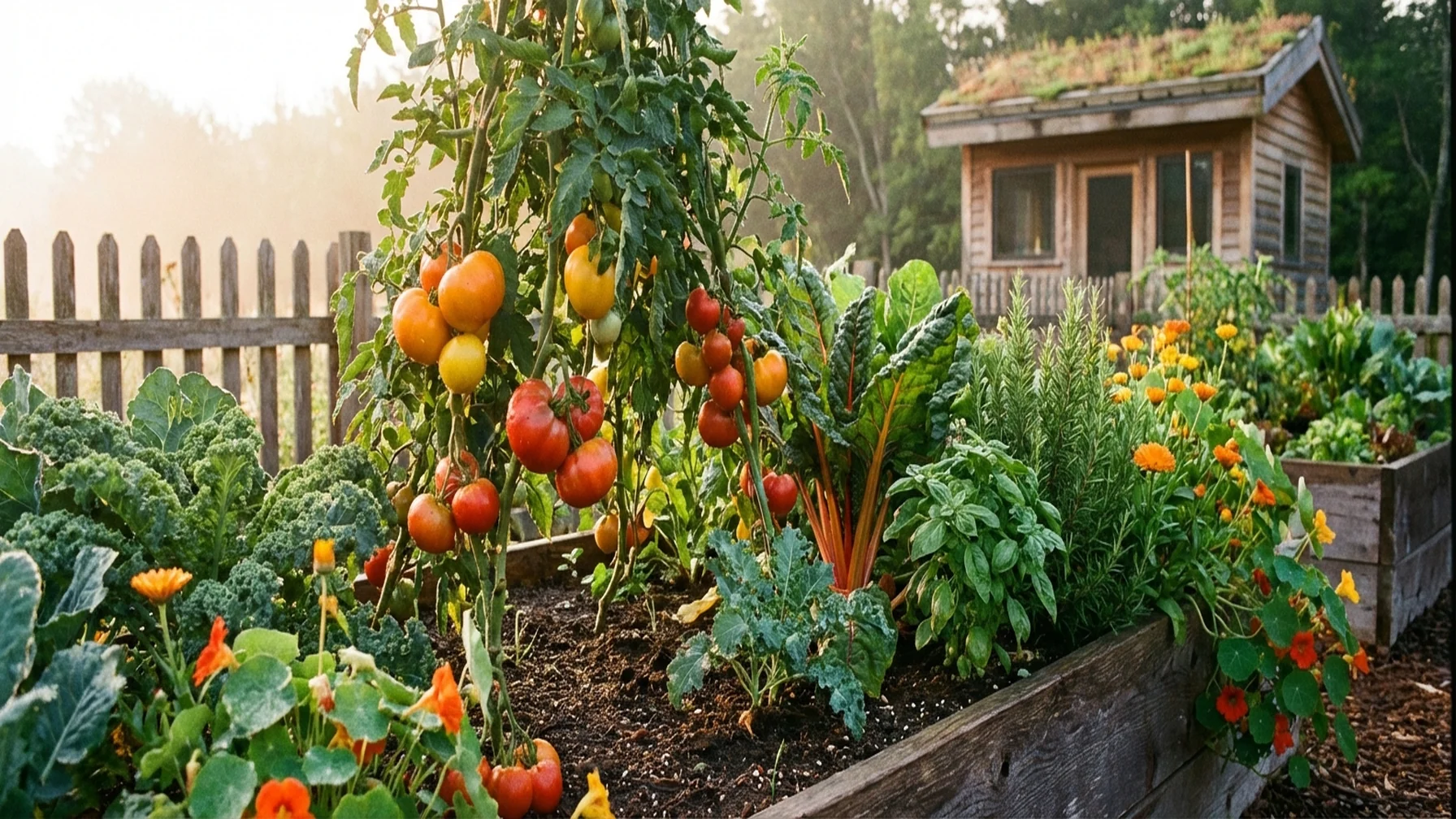
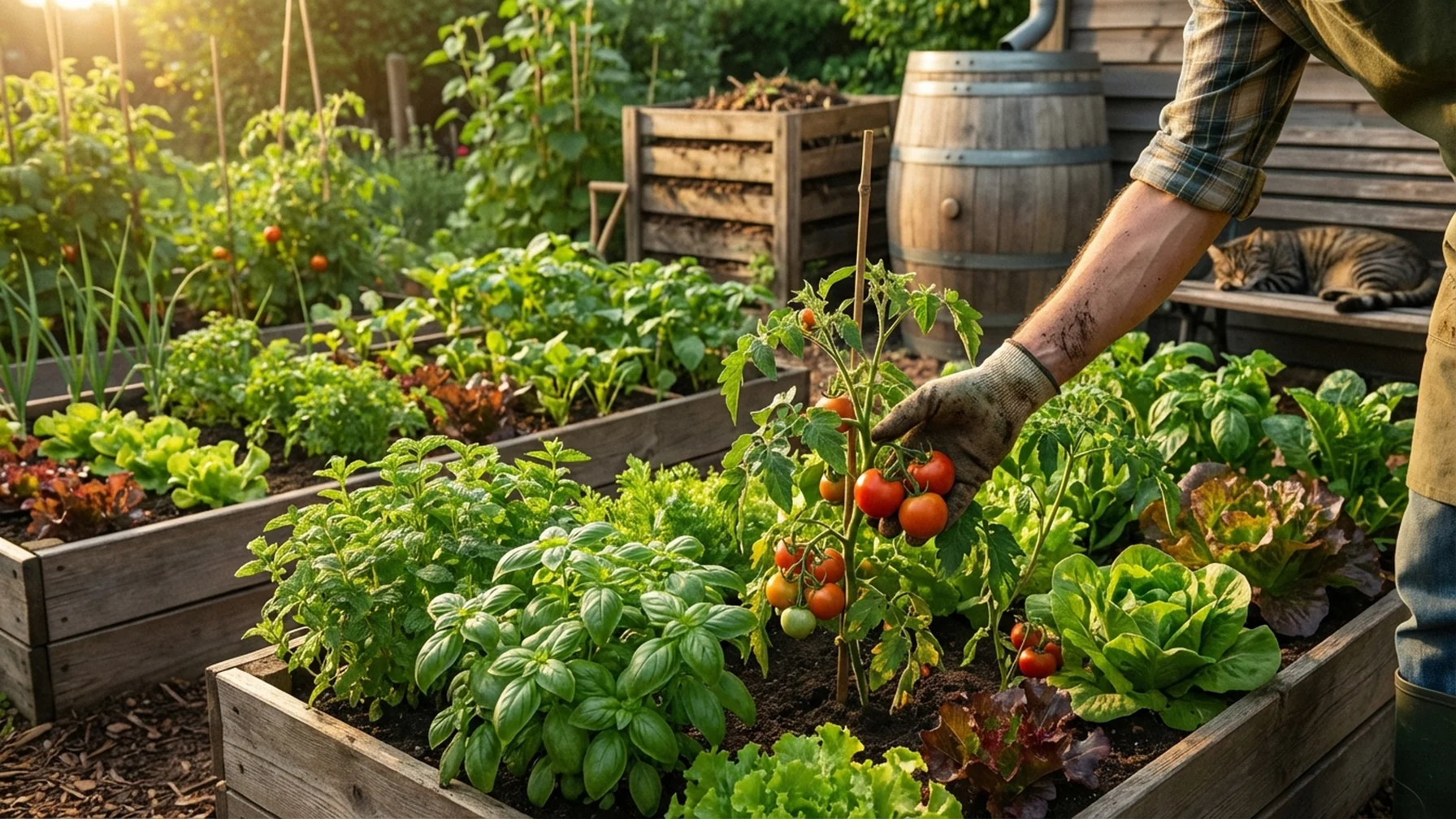
Embarking on the journey of organic gardening is a rewarding and sustainable choice, especially when starting with raised garden beds. These versatile structures offer a manageable way to grow your own food, even in small spaces. For beginners, this guide will cover essential tips for organic vegetable gardening, sustainable backyard farming, and more, ensuring a fruitful start to your gardening adventure.
Why Choose Raised Garden Beds?
Raised garden beds provide numerous benefits for beginners. They offer improved drainage, better soil quality, and ease of access, reducing strain during planting and harvesting. Furthermore, raised beds warm up faster in spring, extending your growing season. They also allow for more control over the soil composition, crucial for organic gardening.
Steps to Build Your First Raised Garden Bed
Constructing a raised garden bed can be simple and cost-effective. Follow these steps to build one that supports organic gardening practices:
- Select a Location: Choose a sunny spot in your backyard or urban garden, as most vegetables require at least 6-8 hours of sunlight daily.
- Decide on Dimensions: A common size is 4x8 feet, with a depth of 12-18 inches. This size is manageable and provides ample space for root development.
- Gather Materials: Use untreated wood, bricks, or recycled materials. Avoid treated wood as it may leach chemicals into the soil.
- Prepare the Base: Remove grass and weeds. Lay down cardboard or newspaper to suppress any remaining growth.
- Assemble the Frame: Secure the sides with screws or nails, ensuring the structure is sturdy.
- Fill with Soil: Use a mixture of compost, topsoil, and organic matter to create a rich growing medium.
Once your raised bed is ready, you can begin planting! The right soil mix will provide a fertile ground for your vegetables, supporting healthy growth.
Organic Vegetable Gardening Tips
To thrive in organic gardening, focus on sustainable practices that enhance the health of your plants and the environment. Here are some tips:
- Companion Planting: Combine plants that benefit each other. For instance, plant basil near tomatoes to deter pests.
- Heirloom Seeds: Choose heritage vegetable seeds to preserve biodiversity and enjoy unique flavors.
- Organic Pest Control: Use natural deterrents like neem oil or introduce beneficial insects such as ladybugs to manage pests.
Implementing these practices not only boosts your garden's productivity but also contributes to a healthier ecosystem.
Permaculture Design for Beginners
Permaculture principles can transform your garden into a self-sustaining ecosystem. Here’s how to apply them:
Observe and Interact: Spend time understanding your garden's natural conditions, including sunlight, wind patterns, and existing plant life.
Design for Efficiency: Arrange plants and elements to maximize resources. For example, place water tanks uphill to use gravity for irrigation.
Use Renewable Resources: Collect rainwater and practice composting to reduce waste and replenish soil nutrients.
Permaculture design encourages a harmonious relationship with nature, promoting sustainability and biodiversity.
Sustainable Living and Backyard Farming
Embracing sustainable living through backyard farming can lead to a more self-sufficient lifestyle. Here are some ideas:
No-Dig Gardening: Build layers of organic material on top of the soil to create a nutrient-rich environment without disturbing the earth.
Seasonal Gardening: Plan your garden according to the seasons. Grow cool-season crops like kale in early spring and switch to warm-season crops like peppers in summer.
Small Space Solutions: Use vertical gardening techniques and container planting to maximize limited areas.
These methods not only make efficient use of space but also reduce your ecological footprint.
Composting and Soil Preparation
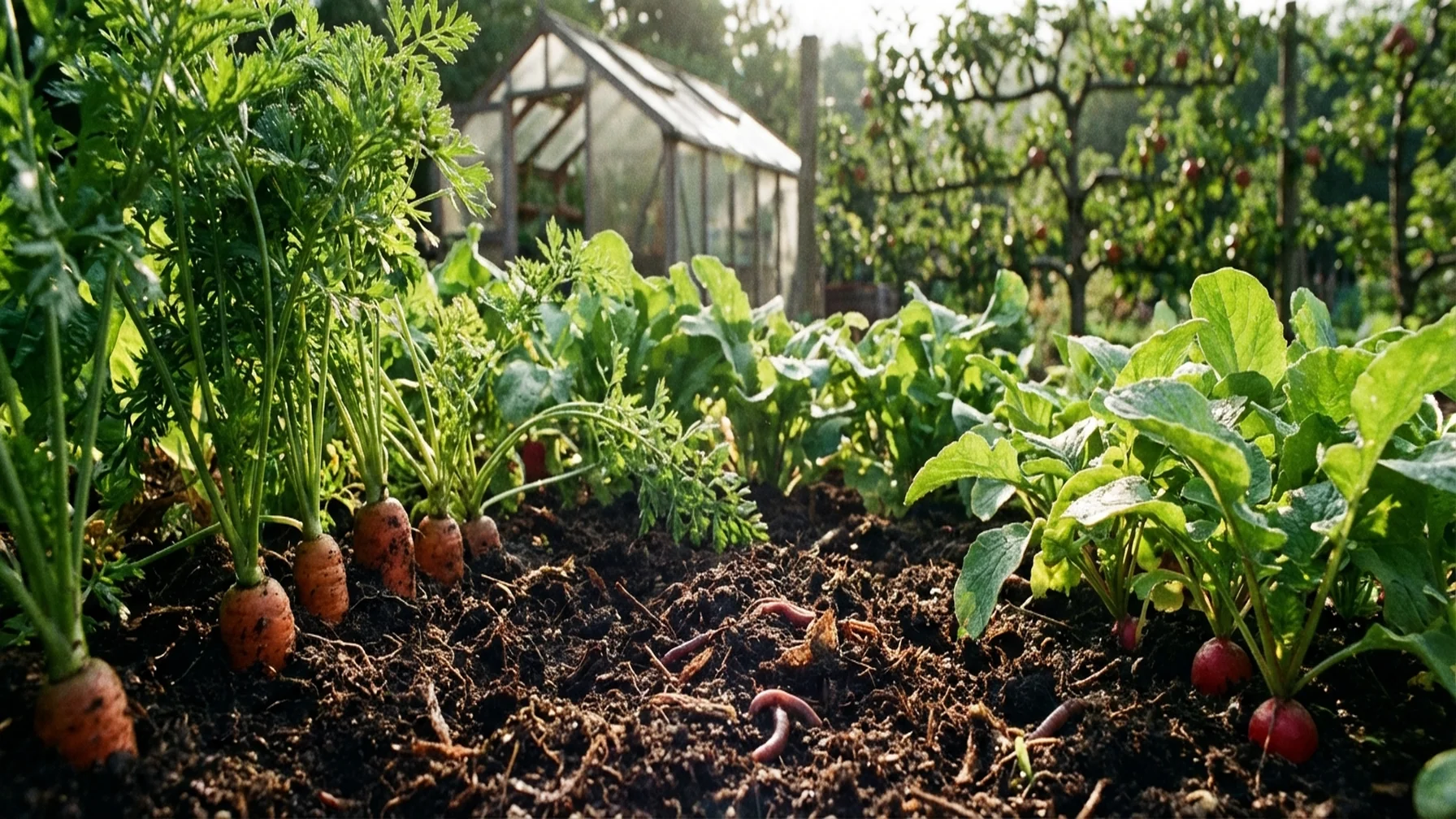
Creating your own compost is an essential part of organic gardening. It enriches the soil, helping your plants thrive. Here's a simple method:
Gather Materials: Use kitchen scraps, garden waste, and dry leaves. Avoid meat, dairy, and oily foods.
Layer and Turn: Alternate between green (nitrogen-rich) and brown (carbon-rich) materials. Turn the pile regularly to aerate.
Monitor and Harvest: Keep the compost moist. In a few months, you'll have a dark, crumbly mixture ready to enrich your soil.
Good compost improves soil structure, retains moisture, and supports beneficial organisms, forming the foundation of a healthy garden.
Conclusion: Start Your Organic Gardening Journey
With these tips and techniques, beginners can successfully create and maintain raised garden beds for organic gardening. From building your first bed to practicing sustainable permaculture principles, each step contributes to a healthier, more sustainable lifestyle. Embrace the journey of growing your own food and enjoy the benefits of a thriving organic garden.