Urban Homesteading on a Budget: A Practical Guide to Sustainable Living
Urban homesteading on a budget is an achievable dream for those looking to embrace sustainable living without breaking the bank. By focusing on organic gardening, permaculture design, and resourceful strategies, you can transform your urban space into a thriving, self-sufficient haven. This guide will provide practical tips and techniques to help you get started.
Starting an Organic Vegetable Garden
Starting an organic vegetable garden is a rewarding way to grow your own food at home. Begin by selecting heritage vegetable seeds, which are often more resilient and flavorful than their hybrid counterparts. Prepare your soil with organic matter, such as compost or well-rotted manure, to enhance its fertility.
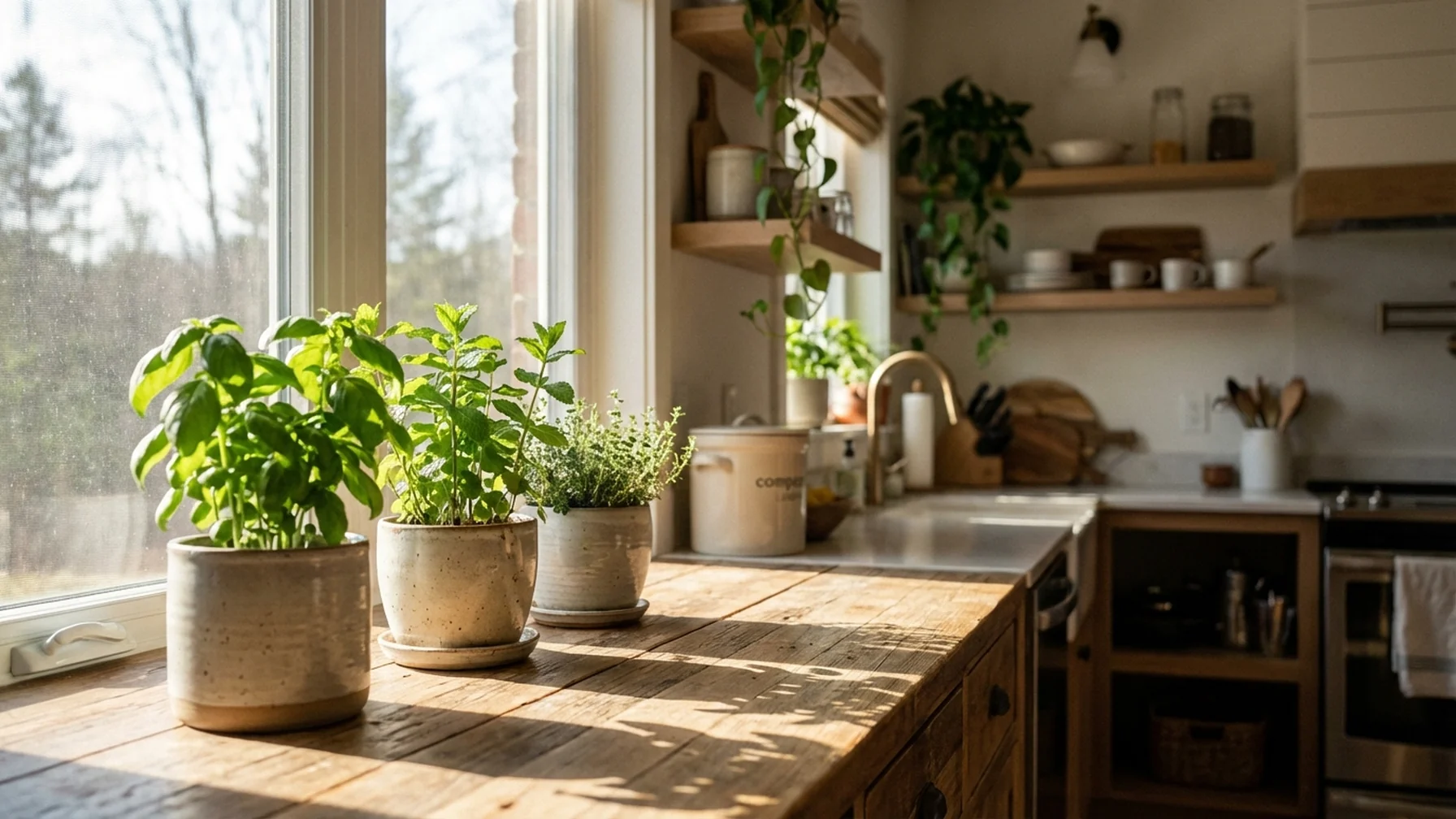
To maximize your yield, consider companion planting. This technique involves growing complementary plants together to deter pests and improve growth. For example, planting basil alongside tomatoes can enhance their flavor and repel harmful insects.
Permaculture Principles for Urban Homesteading
Permaculture principles are foundational to creating a sustainable homestead. Start by observing and interacting with your environment, using natural patterns and cycles to guide your design. Catch and store energy through practices like composting and water conservation.
Here are some steps to incorporate permaculture principles into your urban homestead:
- Observe and Interact: Spend time watching how sunlight moves and where water collects in your space.
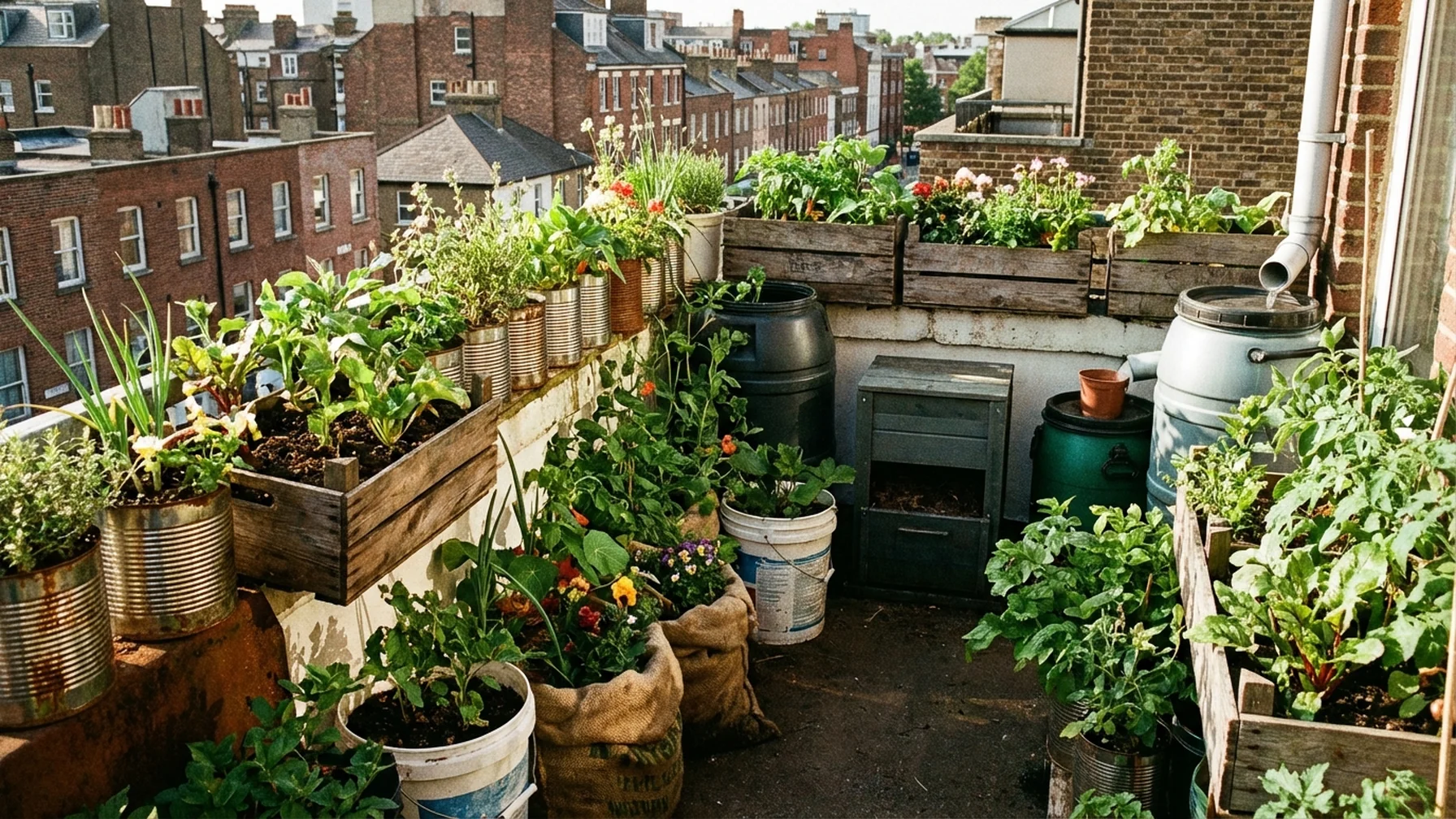
- Catch and Store Energy: Use rain barrels to collect rainwater, and compost kitchen scraps to enrich the soil.
- Produce No Waste: Recycle materials creatively, like using old containers as planters.
- Use and Value Renewable Resources: Plant native species and perennial plants that regenerate each year.
By integrating these concepts, you can create a resilient and productive urban homestead that thrives on minimal resources.
Composting for Beginners
Composting is a vital component of organic gardening, providing a steady supply of nutrient-rich soil. Start by collecting kitchen scraps like vegetable peels and coffee grounds, along with yard waste such as leaves and grass clippings. Layer these materials in a compost bin, alternating between green (nitrogen-rich) and brown (carbon-rich) materials like dried leaves or newspaper.
- Begin by adding a base layer of coarse materials like twigs to aid drainage.
- Layer green and brown materials, ensuring a balanced mix.
- Turn the pile regularly to aerate it and speed up decomposition.
- Keep the compost moist but not waterlogged to maintain microbial activity.
- Check the temperature; a warm pile means the composting process is active.
- After a few months, you'll have rich compost to enrich your garden soil.
Using homemade compost not only enhances soil fertility but also reduces household waste, contributing to a more sustainable lifestyle.
Cost-Effective Urban Homesteading Strategies
Urban homesteading can seem daunting, especially when trying to manage costs. Here are some practical steps you can take to embark on your homesteading journey while staying on a budget.
- Start a container garden with inexpensive planters and seeds.
- Utilize local resources like community gardens or farmer’s markets for affordable produce.
- Learn to make your own cleaning supplies and personal care products to reduce expenses.
- Consider bartering skills or products with neighbors to build community and save money.
- Research and implement composting methods to reduce garbage costs and create natural fertilizer.
Growing Food in Small Spaces
Even with limited space, you can grow a variety of foods. Vertical gardening techniques, such as using trellises or hanging pots, maximize your growing area. Select plants that thrive in confined spaces, like dwarf varieties or climbing vegetables.
Container gardening is another excellent option for small spaces. Ensure your containers have good drainage and are filled with high-quality organic soil. Regularly water and fertilize your plants to keep them healthy and productive.
Organic Pest Control for Gardens
Maintaining a pest-free garden doesn't require harsh chemicals. Organic pest control methods are both effective and eco-friendly. Introduce beneficial insects like ladybugs and predatory wasps to control aphid populations naturally.
For larger pests, consider using physical barriers like nets or floating row covers. Homemade sprays, such as a mixture of garlic, soap, and water, can deter insects without harming the environment.
Heirloom Tomato Growing Tips
Heirloom tomatoes are cherished for their unique flavors and colors. To grow these tasty fruits, select a sunny spot with well-drained soil. Stake or cage your tomato plants to support their growth and keep fruits off the ground.
Water consistently, aiming for deep, infrequent watering sessions to encourage strong root systems. Mulching around the base of plants helps retain moisture and suppress weeds. Prune regularly to improve air circulation and prevent disease.
Comparing Urban Homesteading Methods
When it comes to urban homesteading, there are various methods to consider based on your budget and space. The table below compares key aspects of different urban homesteading methods:
| Method | Cost | Space Required | Maintenance Level |
|---|---|---|---|
| Container Gardening | Low | Small | Moderate |
| Vertical Gardening | Medium | Very Small | High |
| Raised Bed Gardening | High | Medium | Low |
| Permaculture Design | Varies | Large | Moderate |
Choosing the right method depends on your resources and goals. Each approach has its benefits and challenges, so consider what aligns best with your lifestyle.
Sustainable Homesteading Ideas
Urban homesteading involves more than just gardening. Explore other sustainable practices like rainwater harvesting, solar energy installation, and waste reduction. These initiatives not only save money but also reduce your environmental footprint.
Engage with local communities to share resources, knowledge, and skills. Joining a community garden or a local homesteading group can provide support and inspiration on your journey toward self-sufficiency.