Best Vegetables to Grow for Self-Sufficiency: Stunning Picks
Best Vegetables to Grow for Self-Sufficiency
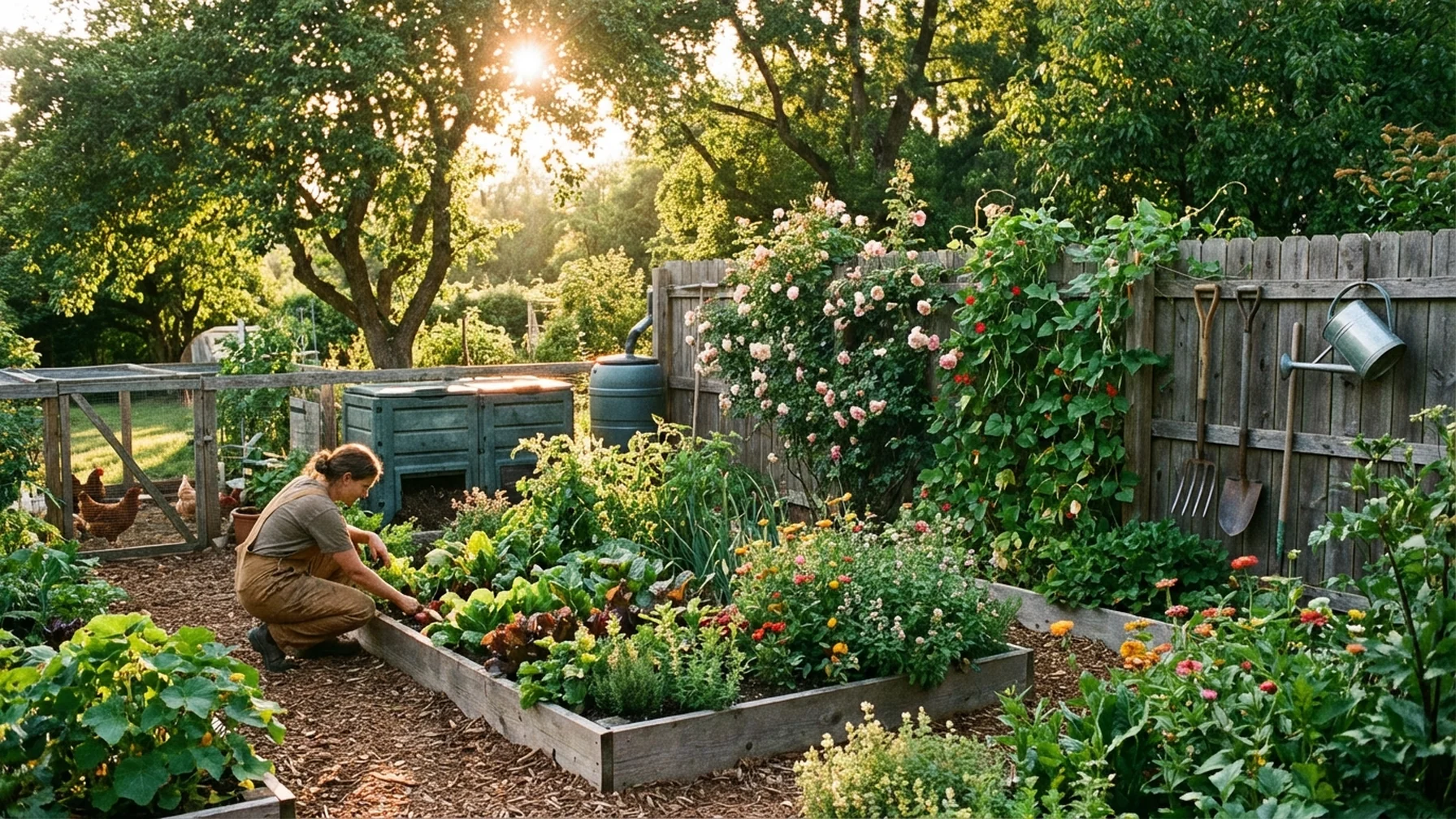
Best vegetables to grow for self-sufficiency are the ones that earn their keep: dependable yields, long harvest windows, high nutrition, and strong storage potential. Think in seasons and calories, not just salads. A self-sufficient plot mixes staples for energy, greens for micronutrients, and fast crops to bridge hungry gaps. With smart succession and a few preservation habits, a modest garden can feed you for much of the year.
Build a balanced garden for year-round eating
A productive plot covers different roles: calorie crops, protein-rich legumes, vitamin-dense greens, and storage roots. Combine these thoughtfully and you reduce trips to the shop. A small terrace grower might rotate quick greens in containers; a larger bed can carry potatoes, squash, and beans through winter.
Calorie anchors: potatoes, pumpkins, and sweet potatoes
For dependable energy, potatoes carry weight. One bed can produce heavy yields with early, maincrop, and late varieties, giving fresh new potatoes in early summer and sacks of keepers by autumn. Winter squash and pumpkins step in with long-keeping fruits that sit on a shelf for months. In warmer regions or a sunny microclimate, sweet potatoes fill a similar role with sprawling vines and nutrient-rich tubers.
Protein from plants: beans and peas
Climbing beans and shelling beans earn their place twice: fresh pods in summer and dried beans for the cupboard. Runner beans and French climbing beans make the most of vertical space; borlotti and cannellini dry well on the plant given a spell of dry weather. Peas offer early protein as shoots and pods, while hardy varieties can overwinter in mild climates for spring harvests.
Best Vegetables to Grow for Self-Sufficiency by season
Stagger your planting so each season contributes. Early greens cover the spring gap, summer crops stack calories, and winter stalwarts hold the line when growth slows.
Spring starters: speed and resilience
- Leafy greens: spinach, chard, and cut-and-come-again lettuces yield within weeks.
- Alliums: spring onions and garlic greens for flavour when tomatoes are months away.
- Radishes and baby turnips: quick fillers while slower crops establish.
These crops mend the “hungry gap” between winter stores and summer plenty. Sow little and often. A tray of salad leaves on a windowsill can supply a family bowl every few days.
Summer workhorses: volume and variety
Tomatoes, courgettes, cucumbers, peppers, and aubergines fill plates through heat. Courgettes are famous for glut; pick small and often to keep plants productive. Interplant basil with tomatoes to shade soil and boost flavour while using space efficiently.
Autumn and winter keepers: storage and stamina
- Potatoes (maincrop): cure, then store in breathable sacks in the dark.
- Winter squash: harvest mature fruits with intact stems; cure for 10–14 days before shelving.
- Onions and garlic: dry thoroughly; braid or net for airflow.
- Carrots, beets, and parsnips: clamp in sand or leave in-ground under mulch where winters are mild.
- Kale, cabbage, and Brussels sprouts: stand through frost for fresh greens when little else grows.
Good storage turns a single harvest day into months of meals. A cool cupboard or insulated box of sand in a shed can hold roots crisp and sweet.
Top 10 crops that pull their weight
These vegetables score well for yield, nutrition, and storage or repeat harvests. Choose varieties that suit your climate and soil, and adjust quantities to your household size.
- Potatoes: high calorie, reliable, store well.
- Kale or collards: resilient, nutrient-dense, harvest for months.
- Runner/French beans: fresh and dryable; fix nitrogen for the soil.
- Winter squash: long storage, versatile in soups, curries, and roasts.
- Onions: flavour foundation; keep for months when cured.
- Garlic: compact, disease-resistant if rotated, stores well.
- Carrots: sweet, high yield per square metre, store in sand.
- Cabbage: heads plus outer leaves; ferment as sauerkraut.
- Tomatoes: sauces, drying, bottling; cherry types for steady snacking.
- Chard: year-round leaf supply with regular picking.
In a tiny space, prioritise cut-and-come-again greens and climbing beans. On larger plots, add calorie crops to reduce reliance on grain and bread.
Succession and spacing for continuous harvests
Timing matters as much as crop choice. Many gardeners pick once, then face gaps. Plan successive sowings and use every niche.
- Sow small batches every 2–3 weeks of salads, radishes, and herbs.
- Underplant slow crops (tomatoes) with fast fillers (lettuce) to harvest before shade closes.
- After early potatoes, replant with kale or French beans to catch the season’s tail.
- Start winter brassicas in trays while summer crops still grow, then transplant promptly.
- Use cloches or fleece to push shoulders of the season forward and back.
A simple example: pull spring onions in June, slide in dwarf beans the same day, then sow spinach as the beans fade in September. One bed, three crops, nearly continuous output.
Preservation habits that stretch abundance
Self-sufficiency isn’t only about fresh harvests. A few low-effort methods bank food for lean months.
- Drying: beans, tomatoes, herbs; a warm oven or dehydrator works.
- Fermenting: cabbage into sauerkraut; carrots into tart sticks.
- Freezing: blanched greens and beans; roasted squash puree in tubs.
- Cellaring: cured onions, garlic, and pumpkins on shelves with airflow.
Picture a rainy January night: a jar of passata, a scoop of dried beans, and a head of stored garlic become dinner without a shop run.
Soil care and rotation: the quiet multipliers
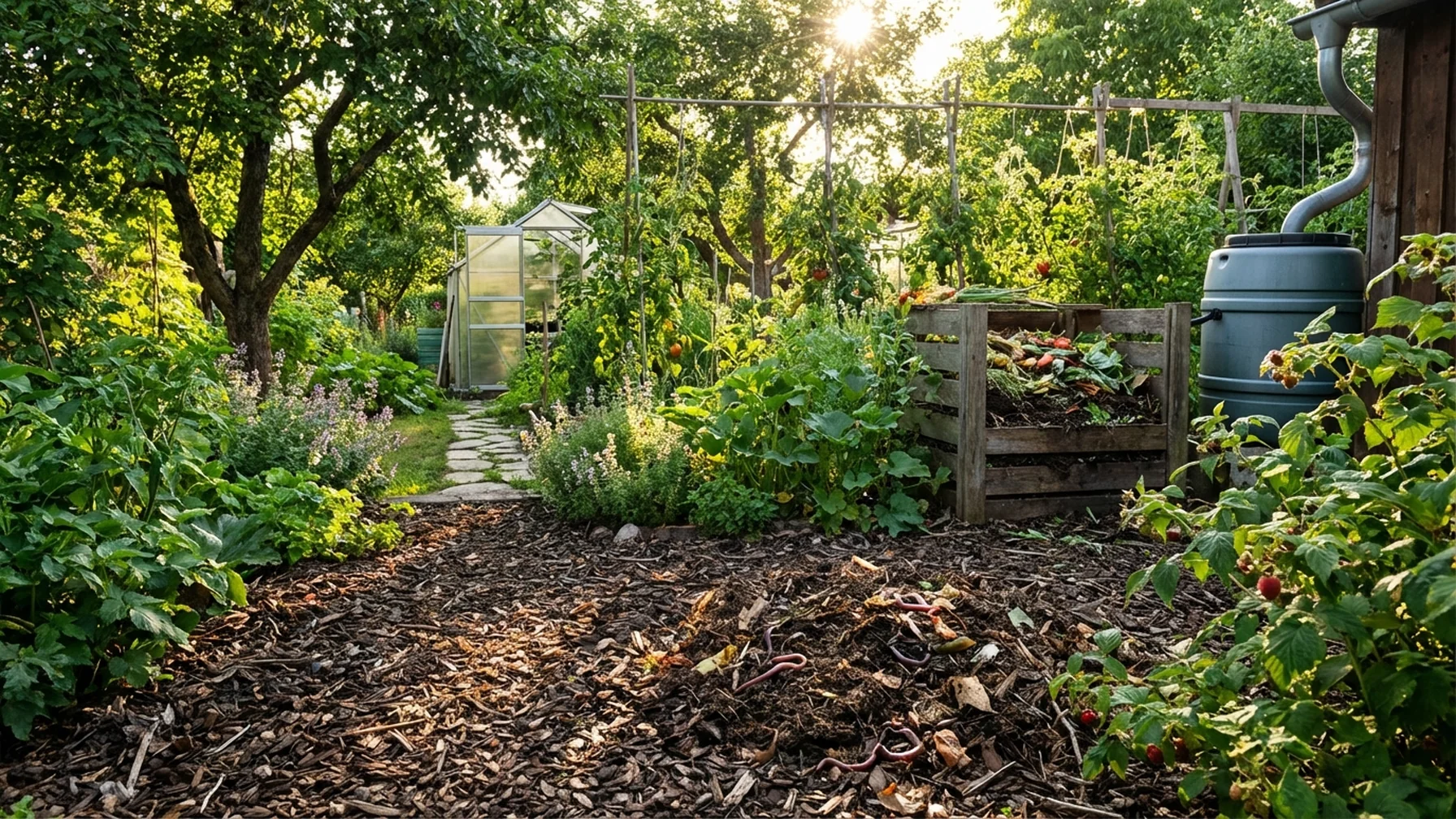
Healthy soil pays you back. Compost, mulch, and diverse roots build structure and keep moisture where you need it. Rotate families—brassicas, legumes, alliums, roots, solanums—to outfox pests and diseases. A simple four-bed rotation keeps planning sane.
Quick-reference: roles and storage at a glance
The table below pairs staple crops with their main role and how they keep. Use it to balance your plan.
| Crop | Main role | Harvest window | Storage method |
|---|---|---|---|
| Potato (maincrop) | Calories | Late summer–autumn | Cure, store dark and cool |
| Winter squash | Calories, vitamins | Autumn | Cure, keep on shelves |
| Kale | Greens, winter fresh | Autumn–spring | On plant; short freeze |
| Dried beans | Protein | Late summer | Dry fully, jar or sack |
| Onion | Flavour base | Summer | Cure, hang or crate |
| Carrot | Roots, sweetness | Autumn–winter | Sand box, cool |
| Tomato | Sauce, fresh | Summer | Bottle, dry, freeze |
Adjust quantities to what you eat. If soups and roasts dominate your winter, favour squash and onions; if curries and stews are your thing, grow more tomatoes, garlic, and beans.
Micro-examples to guide planning
Small urban bed (3×1 m): two tomato plants with basil; a teepee of climbing beans; a row of chard; spring onions along edges; successive trays of salad. Autumn sow kale where beans were. Result: daily greens, summer sauces, dried beans for winter.
Family plot (6×4 m): two beds of potatoes; one bed split between onions and carrots; one bed of brassicas; perimeter of squash; trellis of runner beans. Preserve onions and squash, freeze tomato passata, clamp roots. Result: staples most of the year, with fresh greens through winter.
Practical pitfalls to avoid
Over-planting courgettes leads to waste; start with two plants. Skipping curing shortens storage life for onions and squash. Ignoring rotations invites clubroot and onion fly. Keep notes. They become next year’s best tool.
Plant with purpose, harvest with rhythm
Self-sufficiency favours steady habits over heroic weekends. Sow a little each fortnight, feed the soil, and tuck harvests away at their peak. With a smart crop mix and simple preservation, the garden turns into a reliable pantry—one meal at a time.