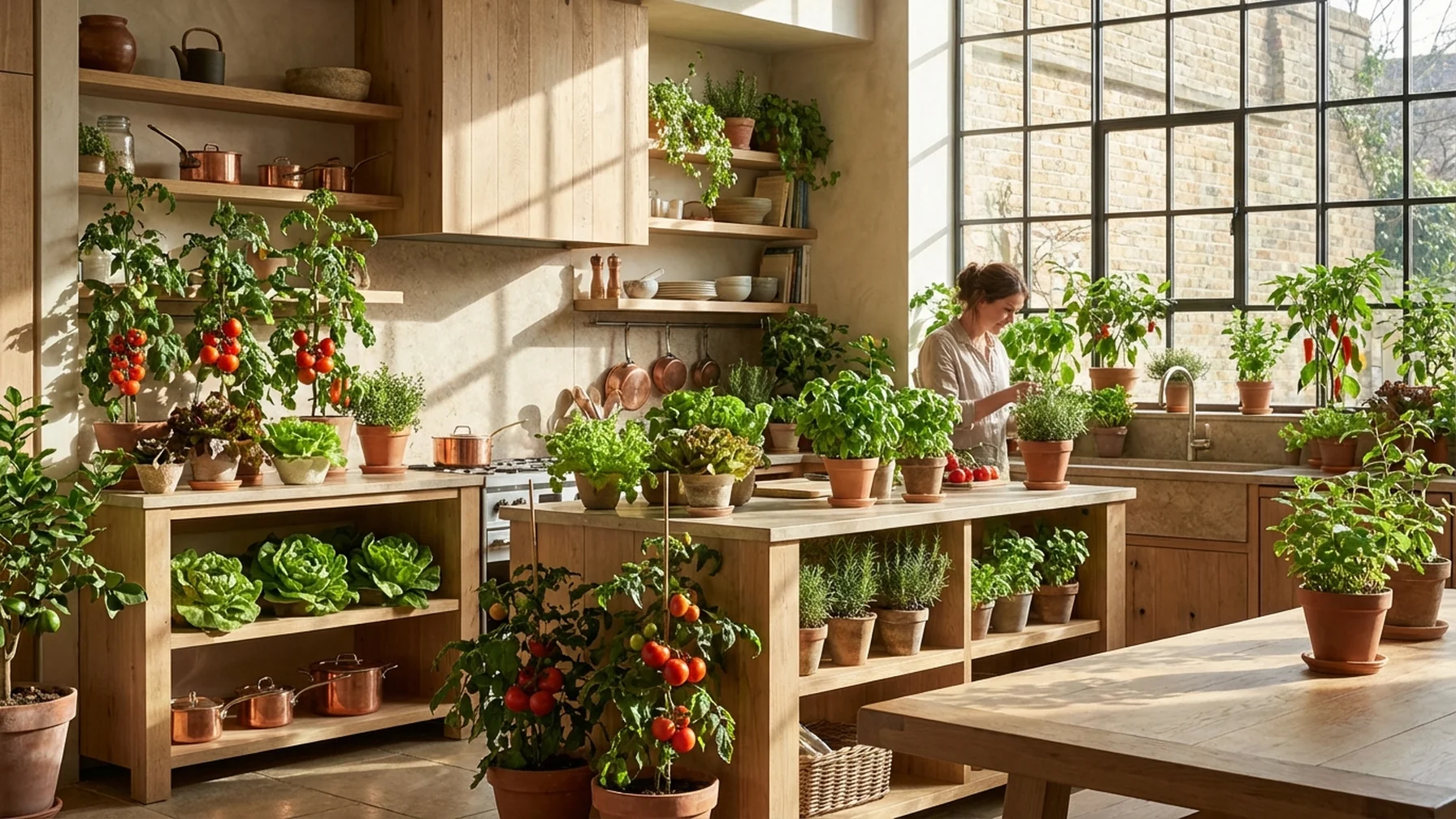
Seasonal Planting Guide: Stunning Tips for UK Gardeners
Seasonal Planting Guide for UK Gardeners
Seasonal Planting Guide for UK Gardeners is more than a calendar—it’s a rhythm. The UK’s temperate climate, fickle springs, and increasingly erratic summers reward those who plant by season, not impulse. With a little planning, you can move from hungry gap to autumn glut with continuity, colour, and crops that actually thrive.
Reading the UK seasons, not just dates
Frost dates shift by microclimate. A sheltered London courtyard behaves differently to a breezy Yorkshire allotment. Watch for soil temperature, not just the calendar: when it feels cool but not clammy in your hand and crumbles rather than smears, you’re close to sowing time. Keep notes; your patch has its own patterns.
A practical example: in a coastal garden, broad beans sown in November may overwinter happily. Ten miles inland on a frosty plain, the same seedling might stall without fleece.
Spring: from first warmth to late frosts
Spring pushes gardeners to act early, but patience pays. Work the soil only when it’s workable and feed with well-rotted compost. Early crops earn their keep while summer plants size up.
- Late winter to early spring (Feb–Mar): sow broad beans, peas, spring onions, radishes, spinach, and hardy salads under cloches; plant first early seed potatoes; start tomatoes, chillies, and aubergines indoors.
- Mid-spring (April): direct-sow carrots, beetroot, chard, parsnips; plant second early potatoes; pot on tender seedlings; divide perennials like hostas and daylilies.
- Late spring (May): after frost risk, harden off and plant tomatoes, courgettes, sweetcorn, and French beans; sow annuals such as calendula, cornflowers, and marigolds for pollinators.
Use fleece as insurance. A single cold night can flatten courgettes; one layer of horticultural fleece keeps growth moving.
Summer: succession, shading, and water sense
By June, growth surges. Plants outgrow pots fast; roots need air and even moisture. Mulch to retain water and reduce weeds, and water deeply but less often to push roots down.
- Succession sowing: every two weeks, sow salads, dwarf French beans, and beetroot for staggered harvests.
- Heat-aware choices: basil and cucumbers love warmth; lettuce prefers partial shade to avoid bolting.
- Support and prune: tie in tomatoes, pinch side shoots on cordon types, and net berries before birds notice.
A small city balcony can keep herbs tidy in 12–20 cm pots: thyme in gritty compost, basil in rich, moisture-retentive soil, and mint in its own container to curb runners.
Autumn: planting for resilience and early harvests
Autumn isn’t the end—it’s the setup. Warm soil and cooler air let roots establish without stress. Plant for the hungry months and for next spring’s colour.
- September: sow spinach, mizuna, and rocket; plant autumn-raspberry canes and strawberries; lift and divide congested perennials.
- October: plant garlic and overwintering onions; tuck in hardy broad beans; set tulip and daffodil bulbs at correct depth.
- November: mulch beds with leaf mould or compost; plant bare-root roses, hedging, and fruit trees while dormant.
A small raised bed can hold garlic in a grid at 15 cm spacing. By late spring, you’ll pull fat bulbs and free the space for beans.
Winter: protect, prune, and plan
Growth slows, but winter work pays dividends. Clean tools, sharpen secateurs, and check structures. Prune apples and pears on frost-free days, and remove cankered growth. In mild spells, sow hardy salads under cover.
Seed catalogues tempt excess. Focus on varieties that suit your site: early, blight-tolerant potatoes for wet regions; mildew-resistant courgettes for dry spells; dwarf beans for windy plots.
Table: quick-reference sowing and planting windows
Use this mini-calendar as a starting point. Adjust a few weeks either way based on frost dates and microclimate.
| Crop | Sow Indoors | Direct Sow/Plant Out | Notes |
|---|---|---|---|
| Tomato (cordon) | Feb–Mar | May–June | Harden off; support and feed weekly once fruit sets |
| Courgette | April | Late May | Protect from late frost; harvest small for flavour |
| Broad bean | Nov or Feb | March | Overwinter in mild areas; pinch tips against blackfly |
| Carrot | – | April–June | Fine tilth; cover to deter carrot fly |
| Garlic | – | Oct–Nov | Plant cloves 2–3x their depth; needs cold spell |
| Strawberry (runners) | – | Aug–Sept | Replace plants every 3–4 years for vigour |
| Daffodil/Tulip | – | Sept–Nov | Plant tulips deepest; good drainage prevents rot |
Keep records against these windows. If a cold spring delays you, switch to modules under cover and plant out strong starts when conditions catch up.
Soil and compost: seasonal tweaks that matter
Healthy soil carries you through rough weather. Add compost in autumn to feed soil life over winter, then top up lightly in spring. On heavy clay, add sharp sand and grit to planting holes for bulbs and Mediterranean herbs. On sandy soil, increase organic matter to hold moisture.
For containers, refresh the top third each spring and add slow-release fertiliser. Tomatoes in pots crave consistent feed; herbs like rosemary prefer leaner mix and excellent drainage.
Protecting crops through seasonal hazards
Slug pressure peaks in wet springs. Beer traps and evening hand-picking help; copper collars around prized hostas can save leaves. In hot spells, shade cloth over lettuce prevents scorch. Use horticultural fleece to guard against late frost and brassica netting to block cabbage white butterflies.
One tiny habit: water early morning at the base, not over leaves. Less disease, less waste, better growth.
Seasonal Planting Guide for UK Gardeners: small-space edits
Balconies and patios can produce plenty with vertical thinking. Grow bags suit tomatoes and peppers; trellis French beans up a fence; hang baskets with tumbling strawberries. Choose compact or dwarf varieties and prune to shape, not just size.
- Choose multi-use plants: rainbow chard for colour and kitchen; calendula for pollinators and petals.
- Stagger pot sizes: deep pots for carrots (short varieties), shallow trays for salads, tall containers for peas.
- Rotate by container: move crops, not soil, and refresh compost yearly to reduce pests.
A single half-barrel can host a mini guild: dwarf apple in the centre, chives at the rim, and spring bulbs beneath for early cheer.
Month-by-month priorities to stay on track
Breaking the year into sharp tasks keeps momentum and reduces overwhelm. Follow this sequence as a spine for your plan.
- January–February: plan rotations, clean tools, start chillies and tomatoes inside; chit first early potatoes.
- March–April: prep beds, sow hardy crops, prick out seedlings, and keep fleece handy.
- May–June: harden off, plant tender crops, mulch thoroughly, and begin weekly feeding.
- July–August: harvest little and often, sow for autumn, and keep up with tying-in and watering.
- September–October: plant garlic and onions, divide perennials, and set bulbs.
- November–December: plant bare-roots, protect crowns with mulch, review notes, and order seed smartly.
Small, regular actions beat heroic weekend marathons. Ten minutes staking beans on a Tuesday can save a wind-blown mess by Friday.
Choosing varieties that suit UK conditions
Pick cultivars bred or proven for local success. Look for blight-resistant potatoes like Sarpo Mira, bolt-resistant lettuce such as ‘Little Gem’, and hardy kale like ‘Red Russian’. For flowers, drought-tolerant perennials—sedum, echinacea, salvias—bridge dry summers without sulking.
If late frosts are your norm, favour slower, sturdier types over precocious divas. Reliability wins harvests.
Putting it together for a year-round plot
Think in flows: winter alliums feed spring beds; spring salads give way to courgettes; autumn garlic closes the loop. Keep notes, adjust timing by your frost line, and build soil every season. The result is a garden that works with the weather, not against it—and a plate that rarely runs out of something fresh.