Dig for Victory: Stunning Legacy and Best Lessons
The History and Legacy of the Dig for Victory Movement
The History and Legacy of the Dig for Victory Movement is rooted in a wartime campaign that transformed empty lawns into productive plots and turned food shortages into a national mission. Born in Britain at the outset of the Second World War, the movement mobilised ordinary people to grow their own vegetables, conserve resources, and change eating habits under pressure. Its afterlife is no less striking: the ideas, techniques, and community spirit continue to shape urban gardening, food policy, and climate-conscious living worldwide.
Origins: A response to blockade and scarcity
By late 1939, Britain imported over half of its food. German U-boat attacks threatened those supply lines, creating the risk of empty shops and mounting hunger. The Ministry of Agriculture moved quickly, launching a national appeal to cultivate every available patch of soil—parks, school grounds, railway verges, and back gardens.
Posters urged citizens to “Dig for Victory.” Radio talks explained soil preparation. Pamphlets gave planting schedules and pest advice. The goal wasn’t romance; it was calories, vitamins, and resilience. Carrots, potatoes, cabbage, and swedes became staples because they were hardy, storable, and nutrient-dense.
How the campaign worked on the ground
Ministries coordinated with local councils to allocate land and set up demonstration plots. Gardening clubs formed overnight. Teachers ran lunchtime potato lessons. A typical street might share tools, swap seed potatoes, and record harvests on kitchen calendars.
The message was paired with practical scaffolding. Seed distribution centres opened. Allotment waiting lists shortened as municipal land was converted. Even sports pitches and ornamental lawns were reassigned to vegetables. London’s bomb sites, cleared of rubble, sprouted with beans and beetroot.
What grew—and why it mattered
Choice bowed to necessity. Varieties emphasised yield, storability, and nutrition. There were carrots by the sack, potatoes in clamps, and winter brassicas standing like sentries in frost. Children were taught to thin rows and recognise wireworm. People learned to mix compost and rotate crops without fanfare—it was simply what kept the larder full.
One tiny scene captures the mood: a mother stirring carrot soup while her daughter rinses muddy parsnips in a tin bowl, both laughing at a crooked beet. The food was plain, but it fed people well enough to keep them healthy under rationing.
Education, media, and the role of propaganda
Public communication was relentless and inventive. Posters combined bright graphics with simple imperatives. Radio slots featured agronomists explaining seed spacing in friendly tones. Films showed a factory worker tending his evening allotment, proving that anyone with an hour and a spade could contribute.
Importantly, the guidance was technically solid. It covered soil pH, trench composting, and intercropping. People weren’t patronised; they were taught. That respect for the learner is one reason the techniques stuck.
Measuring success: yields, health, and morale
The numbers tell a stark story. By the early 1940s, millions of allotments were in cultivation. Home production of vegetables rose dramatically, easing pressure on convoys. While exact figures vary by county and season, the uptick in domestically grown produce is undisputed.
Health indicators also held steady. Despite rationing, many families ate more vegetables than before the war. Vitamin deficiency rates were lower than feared. Morale improved because people felt useful, not helpless.
Table: Wartime gardening practices and their impact
Several core practices defined the movement. Each addressed a specific constraint—labour, fuel, space, or storage—and together they formed a resilient system.
| Practice | Purpose | Typical Outcome |
|---|---|---|
| Double digging and trench composting | Boost soil fertility with limited fertiliser | Higher yields on poor or compacted ground |
| Crop rotation | Reduce pests and disease without chemicals | Fewer losses, steadier production |
| Clamp storage for roots | Keep harvest edible through winter | Lower spoilage, continuous supply |
| Intercropping | Maximise small spaces | More food per square metre |
| Seed saving | Cut reliance on imports | Local adaptation and autonomy |
These methods entered household lore. Grandparents passed them down, often without naming them. A neat row of leeks after potatoes is more than tradition; it’s a legacy of rotation that still works.
Social fabric: community, gender, and everyday life
The movement reshaped public space and domestic roles. Women drove much of the effort, managing gardens while working and queuing for rations. Children learned seasonal rhythms—sowing in spring, earthing up in summer, digging clamps in autumn.
Community formed around shared purpose. A neighbour might lend a fork and come back with a jar of pickled beetroot. Even in city centres, gardening clubs offered advice and companionship. The act of growing food stitched people together.
After the war: what faded and what endured
As trade routes reopened, some plots returned to grass. Supermarkets later encouraged convenience over cultivation. Yet not everything faded. Allotment culture persisted, particularly in towns with long waiting lists and proud associations. School gardens never fully vanished.
The biggest inheritance wasn’t just technique but mindset: food security can be local, and practical knowledge belongs to everyone.
Environmental echoes in the present
Modern gardeners face different threats—climate change, soil degradation, urban sprawl—but many wartime lessons fit. Composting sequesters carbon and builds structure. Diverse plantings buffer against pests. Hardy crops stabilise supply when weather flips from drought to deluge.
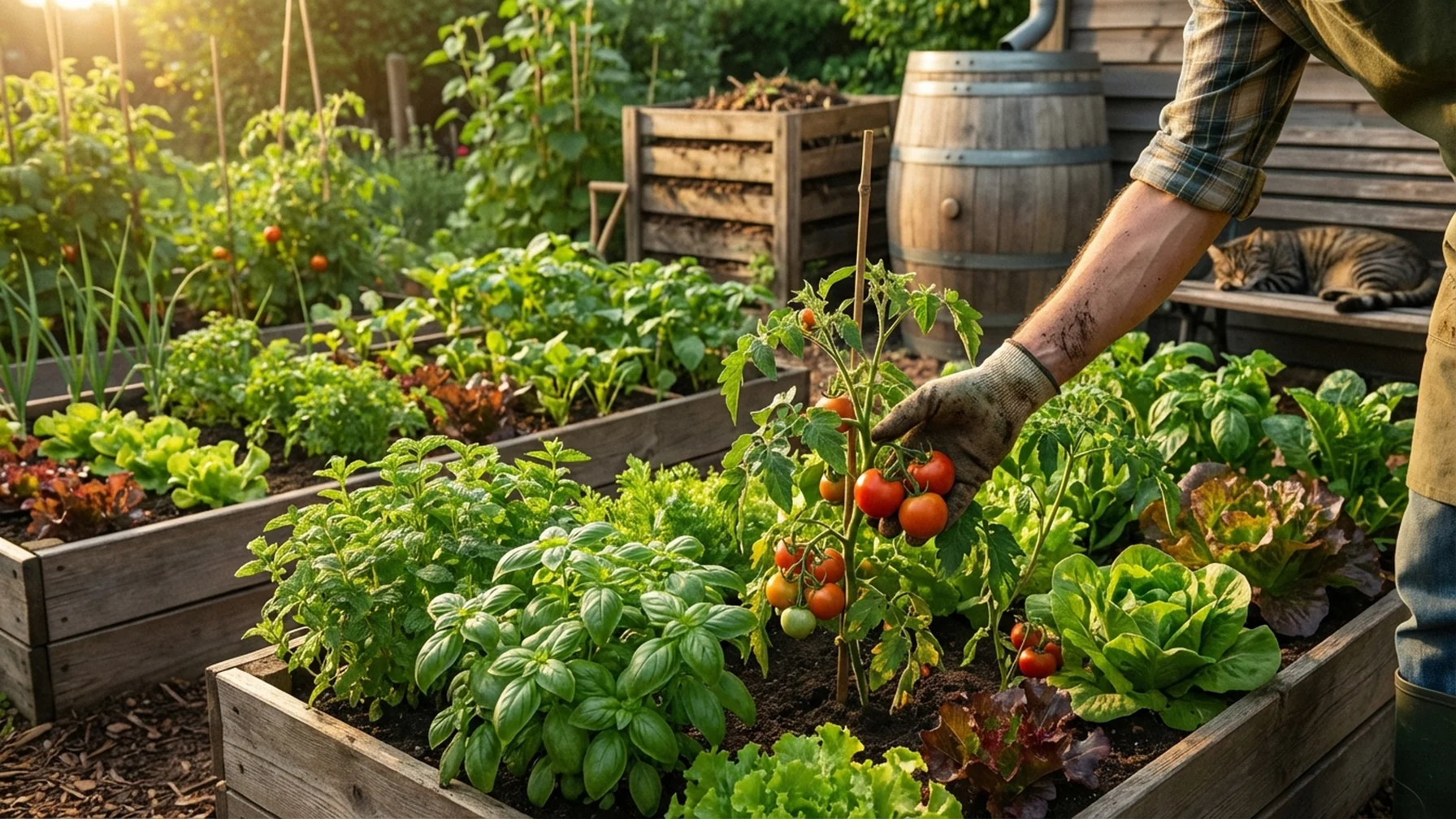
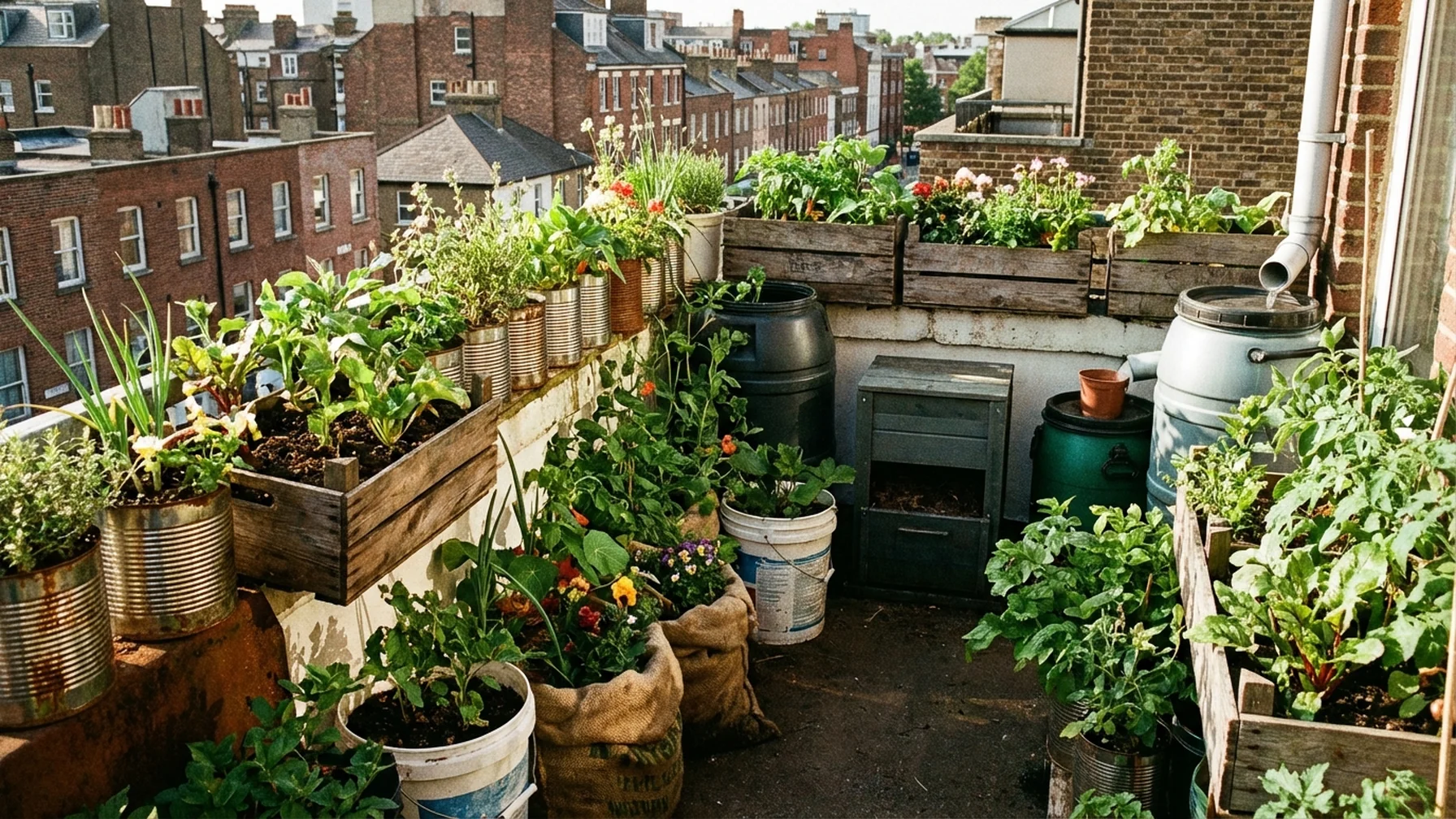
Urban agriculture—rooftop beds, community plots, balcony containers—channels the same spirit. A shared rainwater butt on a tower-block terrace has the same pragmatic energy as that 1942 water barrel by the shed.
The History and Legacy of the Dig for Victory Movement in education
Schools and community organisations are reviving garden literacy. Short sessions teach soil testing with vinegar and baking soda, sowing by soil temperature rather than date, and cooking straight from the plot. The learning is tactile and memorable.
Even a micro-example helps: students compare two carrot rows, one thinned properly, one crowded. The thinned row yields plump roots; the crowded one offers spindles. A simple lesson, anchored in action, echoes wartime pedagogy.
Practical steps to honour the legacy at home
You don’t need a large garden. A courtyard, balcony, or borrowed verge can carry the torch. Start small, stay steady, and choose crops that suit your place and plate.
- Assess light and soil, then pick three reliable crops (e.g., potatoes, chard, bush beans).
- Build fertility with compost; skip peat and feed soil life with kitchen scraps.
- Plan a simple rotation across beds or containers to break pest cycles.
- Grow for storage: roots in autumn, hardy greens for winter meals.
- Share surplus, seeds, and knowledge with neighbours or a local group.
Each action nudges a community toward resilience. The cumulative effect looks modest day to day, then unmistakable come harvest.
Common pitfalls when reviving wartime methods
Not every practice translates wholesale. Some techniques require tweaks for modern conditions and climate shifts. A short checklist helps avoid frustration.
- Over-digging can harm soil structure; use broadforks or no-dig beds where suitable.
- Monocultures of high-yield roots invite pests; diversify with herbs and flowers.
- Ignoring water capture wastes a free resource; install barrels and mulch deeply.
- Planting by date alone misses microclimates; plant by soil warmth and weather windows.
Adapting the spirit—resourcefulness and practical science—matters more than replicating every technique exactly.
Why the story still resonates
The appeal isn’t nostalgia. It’s the clear link between action and outcome. A seed becomes food; a neighbour becomes a partner; a street becomes a quietly productive landscape. The wartime campaign proved that ordinary people, given sound advice and a common goal, can change the texture of daily life.
That lesson remains timely. Whether the pressure is geopolitical, economic, or environmental, the path is familiar: learn, share, plant, and feed each other. The harvest follows.